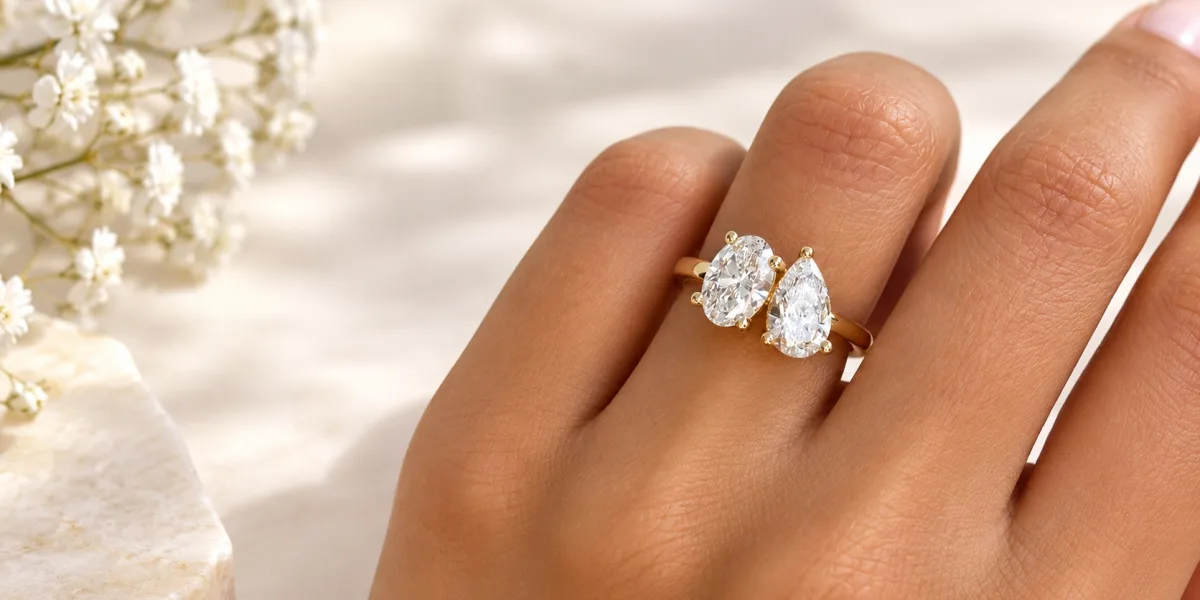
Buying an engagement ring is an important decision, but you do not need to spend a huge amount to find a beautiful ring that feels special. With a budget of $2,000, shoppers can find many attractive choices by knowing where to spend more, where to save, and which diamond features matter most.
If you are looking for engagement rings under 2000, the key is to balance the diamond, setting, metal, and overall design. A thoughtful purchase can give you a ring that looks great while staying within your planned budget.
Start With a Clear Budget
Before looking at individual rings, decide how much of your $2,000 budget you actually want to spend on the ring itself. You may also need to consider taxes, shipping, resizing, insurance, or other costs depending on where you buy.
Having a firm spending limit makes shopping easier. Instead of comparing every ring you see, you can focus on pieces that fit your financial plan.
It is also worth remembering that the price of an engagement ring does not determine its meaning. A well-selected ring that matches your partner's taste can be more valuable to the wearer than a much more expensive piece that does not suit them.
Understand What You Are Paying For
When comparing engagement rings under $2000, you will notice that the price can vary significantly from one ring to another. The main factors include the diamond or other gemstone, the metal used for the band, the setting, and the craftsmanship.
For diamond rings, shoppers often hear about the four Cs: cut, color, clarity, and carat weight.
Cut is particularly important because it affects how well the diamond reflects light. A well-cut diamond can look lively even when it is not especially large.
Color refers to how much body color a diamond shows. Clarity describes the presence of internal or external characteristics. Carat refers to weight, not directly to how large a stone looks from above.
Understanding these terms can help you compare two rings without focusing only on the carat number.
Explore Diamond Shapes Before Choosing a Ring
The shape of a diamond can have a major effect on the overall appearance of an engagement ring. Round diamonds are a popular choice, but they are not the only option.
Oval, pear, emerald, cushion, princess, and marquise shapes can all create different looks. Some shapes may also appear larger than a round diamond of the same carat weight because of their proportions.
When shopping for diamond engagement rings under $2000, compare several shapes instead of immediately choosing the most familiar one. Your partner's everyday style can be a useful guide.
Someone who prefers simple jewelry may like a clean solitaire. Someone who enjoys distinctive accessories may prefer an oval or pear-shaped center stone with additional details around it.
Consider Lab-Grown Diamonds
If getting a larger diamond within your budget is important, lab-grown diamonds may be worth exploring. They have the same basic chemical composition and crystal structure as mined diamonds, while their production takes place in a controlled laboratory environment.
Because pricing can differ, lab-grown options may allow shoppers to consider a larger center stone or allocate more of the budget toward the ring's setting.
However, the best choice depends on personal preference. Some buyers specifically want a mined diamond, while others are comfortable with a lab-grown stone. The important thing is to understand what you are purchasing and compare the specifications carefully.
Pick the Right Metal
The band can change the appearance and feel of an engagement ring. Common choices include yellow gold, white gold, rose gold, and platinum.
Gold is available in different karats, with 14K and 18K being common choices for jewelry. Platinum is another option and is known for its durability, although it can cost more.
When considering explore engagement rings for women under $2000, think about the jewelry your partner already wears. If she usually wears yellow-gold necklaces or earrings, a yellow-gold ring may fit naturally into her collection. If she mostly wears silver-colored jewelry, white gold or platinum could be a better match.
The goal is to choose a metal that works with her existing style rather than selecting a material simply because it is popular.
Think About the Ring Setting
The setting holds the diamond in place and contributes to the ring's overall design. Solitaire settings are often a practical choice for buyers working with a limited budget because they put most of the attention on the center stone.
Halo settings surround the center stone with smaller stones and can create the appearance of a larger overall design. Three-stone settings are another option and can give the ring a more detailed appearance.
Prong settings are commonly used for center diamonds because they allow light to enter the stone from several directions. Bezel settings surround the stone with metal and can provide additional protection around the edges.
There is no single best setting. Consider how active the wearer is and whether she prefers a simple or detailed ring.
Look Beyond Carat Weight
A common mistake is choosing a ring based only on carat weight. A larger diamond is not automatically a better-looking diamond.
For example, a well-cut diamond with a slightly lower carat weight may appear brighter and more appealing than a larger stone with poor proportions.
When comparing diamond rings under 2000, look at the complete diamond specifications. Pay attention to cut quality, shape, clarity, color, and the overall appearance of the stone.
If possible, view clear photographs or videos and check the grading information before making a decision.
Explore Diamond Alternatives
Diamonds are not the only option for an engagement ring. Sapphires, moissanite, and other gemstones can provide attractive alternatives for buyers who want something different.
A colored gemstone can also be a meaningful choice if your partner has a favorite color or already wears gemstone jewelry.
If the goal is to get a larger center stone while staying below $2,000, alternative gemstones can be worth comparing with traditional diamond options.
The right stone is ultimately the one that fits the wearer's taste and your budget.
Pay Attention to Ring Size
Getting the correct ring size is important, particularly if the engagement is going to be a surprise. If you can, discreetly check a ring your partner already wears on the intended finger and have its size measured by a jeweler.
Keep in mind that ring sizes can sometimes change slightly depending on the width of the band and the ring's design.
If you are unsure, ask the jeweler about resizing before buying. Knowing the store's resizing policy can save you from unexpected costs later.
Consider the Everyday Wearer
An engagement ring is usually worn frequently, so appearance is only one part of the decision. Think about your partner's daily routine.
If she works with her hands, exercises regularly, or prefers jewelry that does not catch on clothing, a lower-profile setting may be more practical.
Someone who enjoys making a statement with jewelry may prefer a larger center stone or a more detailed setting.
This is where 2000 engagement ring options can vary widely. Two rings can have similar prices but feel completely different when worn.
Check the Seller Before Buying
Price should not be the only factor when selecting a ring. Research the seller and read customer feedback before placing an order.
Look for clear information about the diamond, metal, ring size, return policy, warranty, and resizing options. If a diamond comes with a grading report, check the details to make sure they match the product listing.
You should also understand how returns work. Engagement rings are significant purchases, and having a reasonable return or exchange period can provide additional confidence.
For shoppers researching engagement rings under 2000, comparing several sellers can help reveal differences in pricing, specifications, and service.
Do Not Forget the Band Design
The band itself deserves attention because it is one of the most visible parts of the ring. A plain band can keep the focus on the center diamond, while pavé or channel-set stones can add extra detail.
If you are considering a distinctive design, you can explore Antiquecut for another perspective on engagement ring styles and designs.
The band should also feel comfortable on the finger. Very thin bands may have a delicate appearance, while wider bands can provide a stronger visual presence. Try to consider both appearance and long-term wear.
Make the Final Comparison
Once you have narrowed your choices, compare the rings side by side. Write down the important details, including:
-
Diamond shape and carat weight
-
Cut, color, and clarity
-
Lab-grown or mined diamond
-
Metal type and karat
-
Ring setting
-
Ring size
-
Return and resizing policies
-
Total price
This makes it easier to see whether you are paying for features that actually matter to you.
For example, you might discover that one ring has a larger diamond but a less appealing setting, while another has a slightly smaller stone with a design that better matches your partner's personality.
Final Thoughts
Finding a beautiful engagement ring does not require an unlimited budget. With careful research and a clear idea of what matters most, shoppers can find excellent options within a $2,000 spending limit.
The best approach is to compare the complete ring rather than focusing on one specification. Consider the diamond, setting, metal, comfort, maintenance, and the style of the person who will wear it.
Whether you choose a classic diamond, a lab-grown stone, or an alternative gemstone, the right ring is one that feels personal and fits comfortably within your budget. Take your time, compare your options, and choose a piece that reflects the person and the commitment behind the ring.