
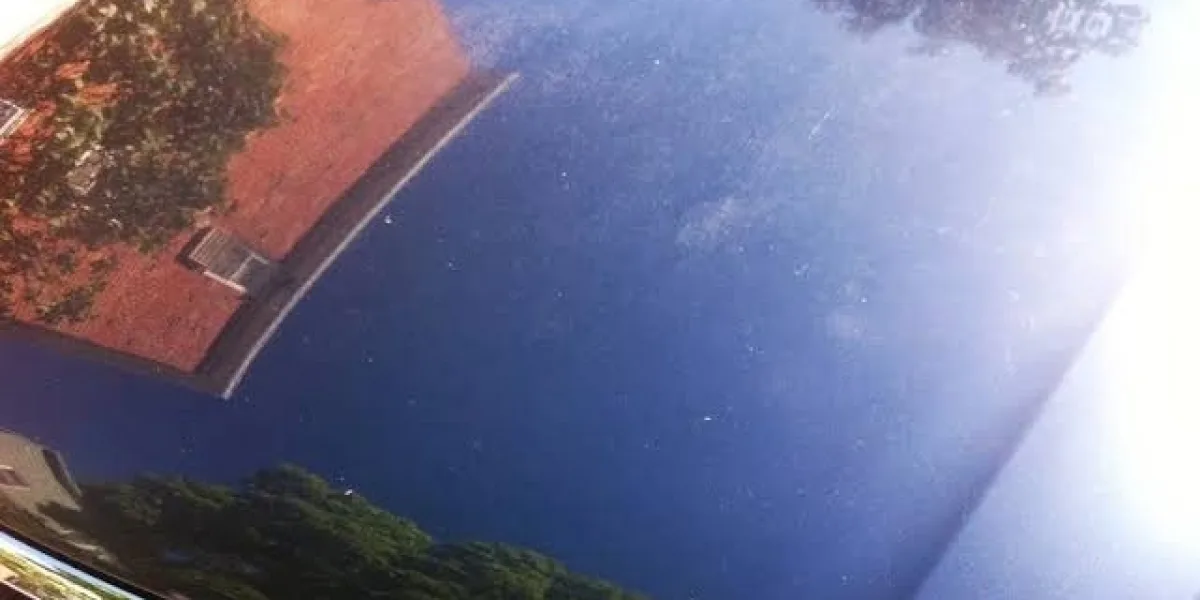
A vehicle’s paint does more than give it color. It also helps protect the surface underneath from everyday exposure to the elements. Over time, however, sunlight, moisture, dirt, road contaminants, and other environmental factors can cause automotive paint to lose its original appearance. One of the most common results is paint oxidation.
Oxidized paint can make an otherwise well-kept vehicle look older, duller, and less cared for. The good news is that understanding why oxidation happens and recognizing the signs early can help vehicle owners take better care of their paint.
What Is Paint Oxidation?
Paint oxidation is a chemical process that occurs when the paint surface reacts with oxygen and prolonged environmental exposure. Ultraviolet rays from the sun can speed up this process, especially when a vehicle is regularly parked outdoors without protection.
As the paint begins to oxidize, it can lose its smooth, glossy appearance. Instead of reflecting light clearly, the surface may appear cloudy, faded, chalky, or rough. In more advanced cases, the color can look noticeably different from the vehicle’s original finish.
Older vehicles are particularly likely to show signs of oxidation, but age is not the only factor. Poor maintenance, extended exposure to direct sunlight, and a lack of proper paint protection can all contribute to the problem.
Signs That Your Vehicle’s Paint Is Oxidized
One of the easiest ways to identify oxidation is by looking at the paint under good lighting. Healthy automotive paint generally has a clear, reflective appearance. Oxidized paint often looks noticeably different.
A faded or washed-out color is a common sign. For example, a red vehicle may start looking pinkish, while darker colors can develop a gray or hazy appearance. White vehicles may lose some of their brightness and look dull.
Another sign is a chalky or powdery surface. When oxidation becomes more advanced, the paint may feel rough instead of smooth. You may also notice that washing the vehicle does not restore its shine. The vehicle may be clean, but the paint still looks flat.
In severe cases, oxidation can be accompanied by peeling or flaking clear coat. At this stage, simply cleaning or polishing the surface may not be enough to restore the original finish.
How Oxidation Changes Your Vehicle’s Appearance
The most obvious effect of oxidation is a loss of shine. A clean vehicle should have a surface that reflects light, but oxidation interferes with that appearance. Even after a thorough wash, the vehicle can continue to look tired and neglected.
Oxidation can also make the paint color appear uneven. Some areas may be more faded than others, particularly panels that receive more direct sunlight. The hood, roof, and trunk are often exposed heavily to sunlight, so they may show deterioration before less exposed areas.
Another problem is that oxidation can make small imperfections more noticeable. Scratches, swirl marks, stains, and other surface defects can stand out more against a dull finish.
This changes the overall appearance of the vehicle. Instead of looking clean and well maintained, it may appear considerably older than it actually is.
Why Sun Exposure Matters
Sunlight is one of the biggest contributors to automotive paint deterioration. Ultraviolet radiation can gradually break down the materials in the paint and clear coat.
Think about how outdoor furniture or other objects can fade when they are left in the sun for years. Automotive paint can experience a similar effect. The difference is that a vehicle is exposed to a wide range of conditions while being driven, including heat, rain, dust, road grime, and airborne contaminants.
Regular washing helps remove contaminants from the surface, but cleaning alone cannot reverse every type of paint damage. Proper paint care is important for maintaining the finish over the long term.
Oxidation Is Not Always Beyond Repair
Seeing faded paint does not automatically mean that the entire vehicle needs to be repainted. The condition and depth of the oxidation matter.
Light or moderate oxidation may sometimes respond well to professional paint correction or restoration techniques. The process generally begins with carefully evaluating the paint to determine what can safely be improved.
Surface preparation is an important part of the work. Dirt, contamination, and other material need to be properly removed before correction begins. Depending on the condition of the paint, professional polishing may help improve clarity, gloss, and overall appearance.
However, heavily damaged paint requires a different approach. If the clear coat has failed or the paint is peeling, polishing cannot simply recreate missing material. In these situations, additional restoration or refinishing may be necessary.
This is why a professional inspection is useful before deciding what treatment a vehicle needs.
The Difference Professional Paint Care Can Make
DIY cleaning can be helpful for routine maintenance, but oxidized paint often requires more than soap and water. Aggressive polishing without the proper knowledge can potentially create additional problems, especially when the paint thickness is unknown.
Professional detailers can evaluate the condition of the surface and choose an appropriate approach. Paint correction involves more than making a vehicle shiny. The goal is to improve the appearance while working within the limitations of the existing finish.
A careful process can help bring back more depth and clarity to suitable paint surfaces. It can also make the vehicle easier to maintain afterward when combined with proper protection.
Preventing Future Oxidation
Once your vehicle’s paint has been restored as much as possible, prevention becomes important. Regular washing can remove dirt and contaminants before they remain on the surface for extended periods.
Parking in a garage or shaded area can also reduce direct UV exposure. When indoor parking is not possible, using appropriate paint protection can provide another layer of defense.
Professional paint protection options, including ceramic coating, can also be considered depending on the vehicle and the owner’s maintenance goals. Protection does not make paint immune to damage, but it can help make routine maintenance easier and reduce exposure to some environmental contaminants.
The key is consistency. Waiting until the paint becomes severely faded can make restoration more difficult.
Trust Your Vehicle’s Paint to Experienced Care
If your vehicle has lost its shine or developed a faded, chalky appearance, it may be time to take a closer look at the condition of the paint.
Dark Horse Elite Detailing provides professional automotive and marine care with a focus on careful cleaning, paint correction, paint restoration, and long-term vehicle care. The team brings hands-on experience in automotive work, including painting, fabrication, and vehicle customization.
Rather than treating every vehicle the same way, proper paint care starts with understanding the condition of the surface. Whether your vehicle needs routine detailing, paint correction, restoration, or additional protection, the right service can help improve its appearance while supporting better long-term maintenance.
Oxidized paint can change the way an entire vehicle looks, but recognizing the problem early gives you more options. With proper care, maintenance, and professional attention when needed, you can help keep your vehicle looking cleaner, clearer, and better maintained for years to come.


