
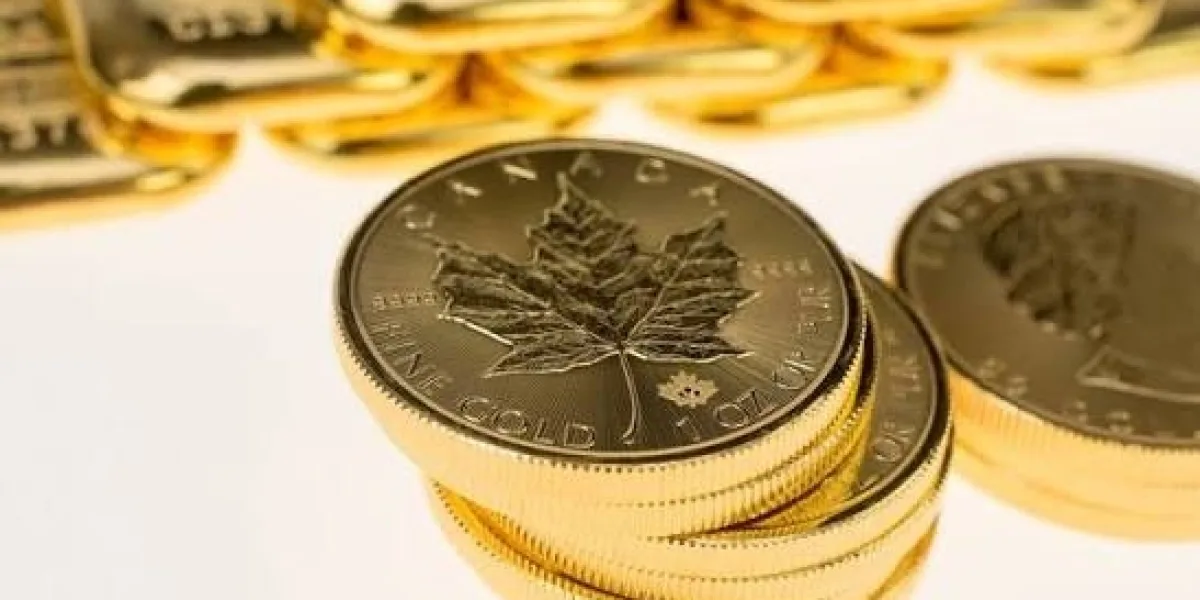
Gold bullion coins are popular with collectors, investors, and people who simply want to own physical precious metals. While the gold content is usually the most important factor in determining a bullion coin's value, the coin's physical condition can also matter. Scratches, dents, discoloration, residue, or improper handling may affect how a coin is viewed by buyers and collectors.
The good news is that you do not need to be a professional numismatist to perform a basic condition check. By knowing what to look for and handling your coins carefully, you can get a better understanding of their overall condition before buying, selling, or storing them.
Start by Identifying the Coin
Before evaluating condition, identify exactly what you have. Look at the coin's name, year, weight, purity, and mint markings. Popular gold bullion coins include products such as American Gold Eagles, Canadian Gold Maple Leafs, South African Krugerrands, and other internationally recognized bullion coins.
The coin's specifications give you an important starting point. A one-ounce gold coin, for example, is different from a fractional coin, even if they share a similar design.
Knowing the exact coin also helps you understand whether condition is likely to have a major impact on its value. Many bullion coins trade primarily based on their gold content and current market conditions, while certain collectible or scarce issues can receive additional premiums.
Examine the Surface Carefully
One of the easiest ways to evaluate a gold bullion coin is to examine its surface under good lighting. Look at both the front and back of the coin.
Check for:
- Scratches
- Dents
- Edge damage
- Surface marks
- Spots or residue
- Discoloration
- Signs of cleaning
- Unusual wear
Small marks do not necessarily mean that a bullion coin has lost most of its value. Gold itself is valuable, and many bullion coins are bought primarily for their precious-metal content. However, significant surface damage can affect the coin's appeal and may influence its resale value.
Try to distinguish between normal handling marks and serious damage. A tiny surface mark may be relatively minor, while a deep scratch across an important design element may be more noticeable.
Check the Edges
Do not focus only on the front and back of the coin. The edge deserves attention as well.
Hold the coin carefully and inspect the entire circumference. Look for dents, scratches, filing marks, or other unusual damage. Some bullion coins have specific edge characteristics that can also help with authentication.
A damaged edge can be more concerning than a minor surface mark because it may indicate rough handling or an attempt to alter the coin.
When inspecting the edge, avoid squeezing the coin between your fingers. Gold is relatively soft, and careless handling can create additional marks.
Look for Signs of Cleaning
Cleaning is one of the most common mistakes people make when trying to improve the appearance of precious-metal coins.
A coin may look dirty or dull, and it can be tempting to polish it. However, rubbing, polishing, chemical cleaning, or using abrasive materials can leave scratches or alter the original surface.
Instead of trying to make the coin look newer, preserve it in its existing condition.
If you notice fine lines that appear to run in the same direction across the surface, the coin may have been cleaned or polished. These marks can be difficult for an inexperienced person to evaluate, so professional examination can be helpful when the condition is important to the transaction.
Pay Attention to Packaging
If your gold bullion coin came in a protective capsule, assay card, or original packaging, inspect that packaging too.
Original packaging can help protect the coin from scratches, fingerprints, moisture, and environmental exposure. It can also provide useful information about the product, particularly for certain modern bullion pieces.
A damaged package does not automatically mean that the coin itself is damaged. Open packaging, however, can mean the coin has been handled more frequently.
If possible, keep bullion coins in appropriate protective holders rather than leaving them loose in drawers, boxes, or containers where they can rub against one another.
Avoid Handling Gold Coins With Bare Fingers
Your hands naturally contain oils and moisture. Touching a bullion coin repeatedly can leave fingerprints or residue on its surface.
For that reason, handle coins by their edges whenever possible. If you need to inspect a coin closely, use clean hands and avoid touching the main surfaces.
You should also avoid dropping coins onto hard surfaces. Even though gold is durable in many situations, its relatively soft nature means that impacts can create dents and marks.
Careful handling is one of the simplest ways to preserve the condition of your bullion.
Consider the Difference Between Bullion and Collectible Coins
It is important to understand that not every gold coin is valued in exactly the same way.
A common bullion coin may be valued primarily according to its gold content, market price, and applicable premium. A rare or collectible coin may be evaluated differently, with factors such as rarity, historical significance, minting details, demand, and condition playing a larger role.
This distinction matters when you are deciding whether a particular mark or imperfection is significant.
If you are unsure whether you have a standard bullion product or something with additional collector interest, it is worth having the coin evaluated before making assumptions about its value.
Do Not Assume a Perfect-Looking Coin Is More Valuable
Appearance is only one part of the equation.
A shiny coin is not necessarily more valuable than a coin with minor handling marks. Likewise, a coin that looks older or less brilliant is not automatically worth less.
Factors such as weight, purity, market conditions, product type, rarity, and buyer demand can all affect the value of a gold bullion coin.
This is why a professional evaluation can be useful. Instead of focusing on appearance alone, you can consider the complete picture.
Weighing and Verifying the Coin
Condition evaluation should also be separated from authentication.
A gold coin can look excellent and still require verification. If you are purchasing or selling a valuable bullion coin, professional testing and verification can provide additional confidence.
Weight and dimensions can be useful reference points, but they should not be the only authentication method. Professional precious-metal buyers can use appropriate testing procedures to evaluate the metal and confirm relevant characteristics.
If something about a coin seems unusual, avoid making a decision based solely on its appearance.
Get a Professional Opinion When Selling
If you are thinking about selling gold bullion coins, knowing their condition is helpful, but you do not have to determine everything yourself.
A professional precious-metals buyer can examine the coin, consider its characteristics, and explain how its condition and gold content factor into the transaction.
For residents of Franklin, TN, The Gold Rush Store offers gold bullion service for people interested in buying or selling gold bullion. A professional evaluation can help you better understand what you have and what factors may affect its value.
Protect Your Gold Bullion for the Future
Whether you plan to sell your coins soon or hold them for years, proper storage matters.
Keep gold bullion in a secure, dry environment and use protective holders when appropriate. Avoid unnecessary handling, especially touching the coin's main surfaces. Keeping documentation and original packaging can also be helpful when available.
Most importantly, avoid unnecessary cleaning or polishing. Preserving the coin's existing condition is generally preferable to attempting to make it look newer.
Final Thoughts
Evaluating the condition of a gold bullion coin does not have to be complicated. Start by identifying the coin, then carefully examine its surfaces, edges, packaging, and overall appearance. Watch for scratches, dents, cleaning marks, and other signs of damage, while remembering that bullion value is not determined by appearance alone.
If you are uncertain about a coin's condition, authenticity, or potential value, getting a professional opinion can make the process much easier.
For those in Franklin, TN, The Gold Rush Store's Gold Bullion Service provides a convenient option for discussing gold bullion and learning more about the factors that can affect a coin's value. Whether you are considering buying bullion, selling coins you already own, or simply want to understand your gold better, professional guidance can help you approach the process with greater confidence.


