
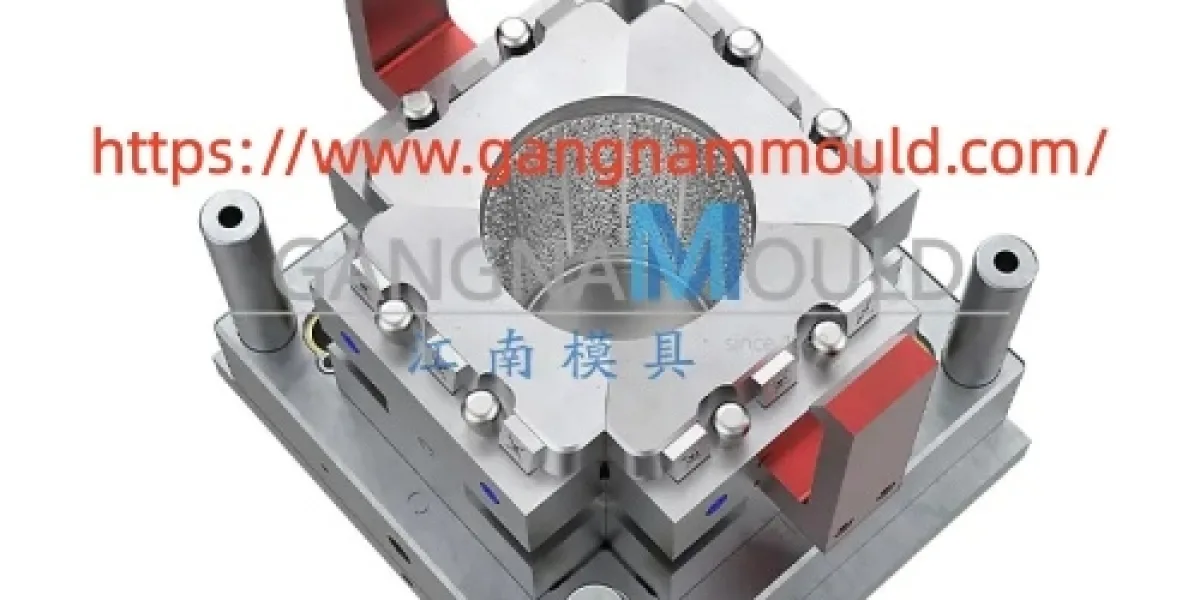
Trash Bin Mould selection involves more than checking the basic shape of a container. Buyers should consider product dimensions, wall thickness, material type, capacity, surface requirements, production volume, and machine compatibility before placing an order. A clear understanding of these factors can help manufacturers prepare suitable tooling and reduce unnecessary changes during later stages. For businesses developing household or commercial waste containers, careful preparation can make communication with a tooling supplier much easier.
Product structure should be one of the first areas to review. Waste containers can vary significantly in size, opening shape, base structure, handle arrangement, and reinforcing sections. Some designs may require additional ribs to improve rigidity, while others may focus on lightweight construction and easy handling. Buyers should provide accurate drawings or samples so engineers can evaluate the geometry and identify areas that may affect forming and release.
Wall thickness is another practical consideration. Uneven sections can influence material flow and cooling behavior during injection processing. If certain areas are significantly thicker than others, they may require additional attention during engineering. A well planned structure can help support balanced filling and cooling. Buyers should therefore discuss wall thickness requirements with the manufacturer before fabrication rather than treating the tooling as a simple copy of the product shape.
Material compatibility also deserves careful review. Different resins can have different processing characteristics, shrinkage behavior, and temperature requirements. The selected steel and surface treatment should correspond with the intended production conditions. Buyers should provide information about the planned plastic material, expected production volume, and operating environment. This information gives engineers a clearer foundation for evaluating suitable technical options.
Cooling arrangements can influence cycle management as well. During injection processing, the material needs to cool sufficiently before the finished container can be released. Large containers may have broad surfaces and different wall sections that require careful thermal planning. Appropriate cooling passages can help manage heat distribution and support a more consistent processing cycle. Buyers can ask about cooling layout during the design review to better understand how the tooling will work with their production equipment.
The release system should also be considered before manufacturing begins. A container may include deep areas, internal corners, reinforcing ribs, or handles that affect how the finished product leaves the cavity. Ejector positions need to provide adequate support without creating unnecessary marks on visible surfaces. Reviewing these details during the design stage can help avoid modifications after fabrication.
Machine compatibility is another key point for buyers. The tooling needs to correspond with the injection machine in terms of dimensions, clamping conditions, injection capacity, cooling connections, and release arrangements. Providing accurate machine specifications can help the supplier design within the actual operating conditions. This is particularly useful when the customer already has dedicated equipment available for the project.
Maintenance requirements should not be overlooked. Regular cleaning, inspection, lubrication, and checking of moving components can support stable operation over time. Buyers can discuss access to maintenance areas and replaceable components before production begins. Practical maintenance planning may also help reduce unnecessary downtime when routine servicing is required.
Gangnammould works with customers on plastic injection tooling for household and industrial applications. During project communication, product drawings, material information, equipment specifications, production expectations, and appearance requirements can all be reviewed. This technical exchange allows the tooling plan to reflect the intended application rather than relying on a general configuration.
Buyers should also consider future production needs. A project may begin with a smaller quantity and later require additional production cycles or product variations. Discussing possible future requirements during the initial design stage can help manufacturers consider suitable structural arrangements and maintenance access. Clear planning at the beginning can make later communication more straightforward.
Choosing suitable tooling is ultimately a process of matching product requirements with manufacturing conditions. Cavity structure, wall thickness, resin selection, cooling, ejection, machine compatibility, and maintenance should be evaluated together. Buyers who prepare detailed technical information can give manufacturers a clearer basis for engineering decisions and production planning.
Manufacturers looking for plastic injection tooling solutions can review the available product range at https://www.gangnammould.com/product/


