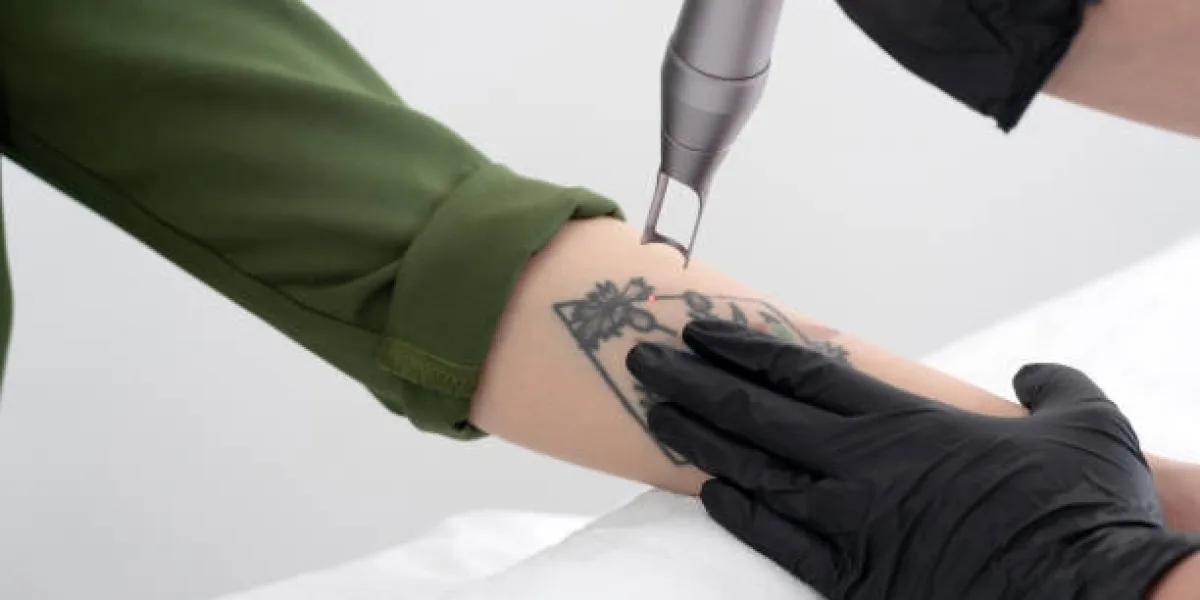
Laser tattoo removal is designed to gradually break down tattoo pigments so the body can naturally clear them. Because the laser interacts with pigment beneath the skin, temporary changes in the treated area are common during the healing process. Understanding these reactions can help you know what to expect and when professional advice may be needed.
tattoo removal near me can involve several short-term skin changes, depending on the tattoo’s size, ink colors, depth, location, and the individual’s skin response. Most temporary reactions improve as the skin heals between treatment sessions.
Why Does the Skin Change After Laser Tattoo Removal?
The laser delivers concentrated energy to tattoo pigment, causing the ink particles to break into smaller fragments. This process can temporarily affect the surrounding skin and trigger a normal healing response.
Immediately after treatment, the area may look different from the surrounding skin. These changes do not necessarily mean that something is wrong. The appearance usually evolves over the following days as the skin recovers.
Common Temporary Skin Changes
Redness and Warmth
Mild redness is one of the most common reactions after treatment. The treated skin may also feel warm or slightly sensitive. This generally reflects the skin’s temporary response to the laser energy and often becomes less noticeable as healing progresses.
Swelling
Some people experience mild swelling around the treated tattoo. Swelling can be more noticeable in areas where the skin is sensitive or where the tattoo contains a greater concentration of pigment. Keeping the area protected and following the provider’s aftercare instructions can support recovery.
Sensitivity or Tenderness
The treated area may feel tender, sensitive, or slightly uncomfortable for a short period. Avoiding unnecessary friction and pressure can help prevent additional irritation while the skin is recovering.
Blistering or Small Crusting
Blisters or small crusts can sometimes develop after laser treatment. If this happens, it is important not to pick, scratch, or intentionally remove the affected skin. Allowing the area to heal naturally can help reduce the risk of unnecessary irritation or scarring.
Temporary Changes in Skin Color
Changes in pigmentation can occur following laser tattoo removal. Some people may notice that the treated area temporarily becomes lighter or darker than the surrounding skin.
These changes can be influenced by skin type, sun exposure, laser settings, and the body's healing response. In many cases, pigmentation gradually becomes less noticeable as the skin recovers.
How Long Do Temporary Changes Last?
The duration varies from person to person. Mild redness and sensitivity may settle relatively quickly, while crusting or changes in pigmentation can take longer to resolve.
The healing period may also differ depending on the tattoo's location, size, ink density, and the individual's skin characteristics. Because every treatment area responds differently, a qualified provider should evaluate the skin before deciding when another session is appropriate.
How to Support Skin Recovery
Keep the Area Clean
Gently follow the recommended cleansing routine and avoid unnecessary touching. Keeping the treated area clean can help reduce irritation during healing.
Avoid Picking or Scratching
Peeling, scratching, or removing crusts before they naturally come away can interfere with healing. It may also increase irritation and potentially contribute to skin discoloration or scarring.
Protect the Skin From Sun Exposure
Sun exposure can make post-treatment pigmentation changes more noticeable and may irritate recently treated skin. Follow professional guidance regarding sun protection and avoid unnecessary exposure while the area is healing.
Follow Your Provider's Aftercare Instructions
Aftercare recommendations may vary according to your skin type, tattoo characteristics, and treatment approach. Following the specific instructions provided after your session is an important part of the recovery process.
When Should You Contact a Professional?
Temporary redness, swelling, sensitivity, and other mild reactions can occur after treatment. However, if you notice worsening pain, significant swelling, unusual discharge, spreading redness, or other concerning changes, contact your treatment provider for an assessment.
Professional guidance is especially important if the skin does not appear to be healing as expected.
What Can Affect Skin Recovery?
Several factors may influence how quickly the treated area settles. These include skin type, tattoo age, ink color, pigment depth, tattoo size, treatment location, laser settings, and individual healing characteristics.
Previous tattoo removal treatments may also affect the appearance and response of the skin. This is why treatment plans are generally personalized rather than identical for every person.
Setting Realistic Expectations
Temporary skin changes are part of the healing process for many people undergoing tattoo removal. The treated area may look different immediately after a session and gradually change as the skin recovers and tattoo pigment is cleared.
Laser Tattoo Removal in Riyadh is typically performed through a series of treatments rather than a single procedure. Allowing sufficient time between sessions gives the skin an opportunity to recover and allows the body to continue processing fragmented pigment.
Understanding this gradual process can make the treatment experience more predictable and help patients follow appropriate aftercare.
Book an Appointment With Royal Clinic Saudia
If you are considering tattoo removal or have questions about temporary skin changes after treatment, a professional consultation can help assess your tattoo, skin characteristics, and treatment requirements. Royal Clinic Saudia can provide personalized guidance and discuss appropriate aftercare for your individual situation. Laser Tattoo Removal in Riyadh should always be approached with realistic expectations and professional skin assessment.
FAQs:
Is redness normal after laser tattoo removal?
Yes. Mild redness is a common temporary reaction and generally improves as the skin heals.
Can laser tattoo removal cause temporary skin discoloration?
Yes. Some people may experience temporary lightening or darkening of the treated area.
Should I remove crusts after treatment?
No. Avoid picking or removing crusts manually. Let the skin heal naturally and follow your provider's aftercare instructions.
How long should I wait before another treatment session?
The appropriate interval depends on your skin's recovery and the characteristics of the tattoo. Your treatment provider can recommend suitable timing. Laser Tattoo Removal in Riyadh is usually performed with adequate recovery time between sessions.