What Is a Soft Neck Brace?
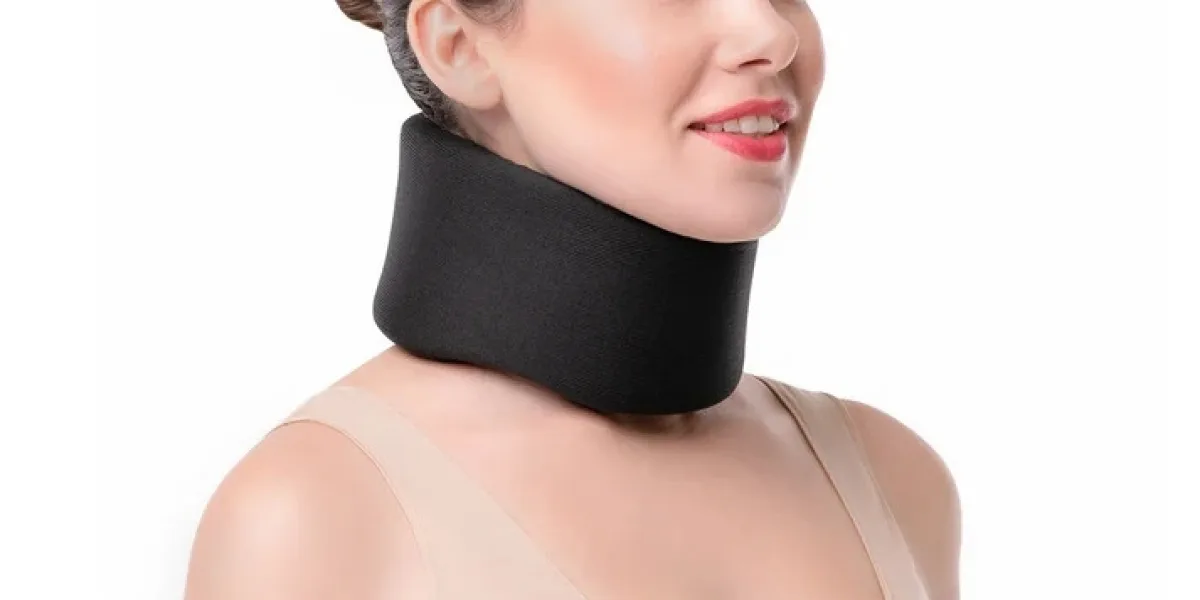
A soft neck brace, sometimes called a soft neck collar or soft cervical collar, wraps around the neck and rests gently beneath the jaw. Unlike rigid cervical collars, soft braces are flexible and generally allow more natural movement.
The main purpose of a soft neck brace is to provide gentle support and limit excessive neck movement. The cushioning can also provide a comfortable feeling around the neck when worn as directed.
When Is a Soft Neck Brace Used?
People may use a soft neck brace for different support needs. It may be recommended by a healthcare professional as part of a temporary care or recovery routine. Some people also use one when they need additional neck support during everyday activities.
Common situations where a soft neck brace may be considered include:
-
Temporary neck support
-
General neck discomfort
-
Recovery following certain minor neck problems
-
Situations where limiting excessive movement is helpful
-
Additional support during rest when recommended by a professional
A brace should not be considered a treatment for an underlying medical condition. If neck pain is severe, persistent, or associated with other symptoms, professional medical advice is important.
Benefits of a Soft Neck Brace
One of the main advantages of a soft neck brace is its flexible construction. Compared with a rigid collar, it generally provides a less restrictive experience while still offering a degree of support.
Gentle Support
The soft structure surrounds the neck and can provide a supportive feeling without the stiffness associated with harder cervical collars.
Comfortable Design
Many soft neck braces use foam or other cushioned materials. A properly fitted brace can feel comfortable when used for the recommended period.
Helps Limit Excessive Movement
A soft brace can gently discourage unnecessary neck movement. This can be useful when temporary support is needed.
Suitable for Different Routines
Depending on the design and professional guidance, a soft neck brace may be used during rest or selected daily activities.
Soft Neck Brace vs. Hard Neck Collar
Soft and rigid neck braces serve different purposes. A soft neck brace is flexible and provides relatively gentle support, while a hard cervical collar is designed to restrict movement more significantly.
A soft brace may be appropriate when gentle support is needed, but a rigid collar may be required for specific injuries or medical situations. The appropriate type of neck support depends on the individual's condition and should be determined with professional guidance when necessary.
Choosing the Right Soft Neck Brace
Comfort and fit are important when selecting a soft neck brace. Consider the following factors:
Material: Look for a soft, comfortable material suitable for extended contact with the skin.
Fit: The brace should fit securely without feeling excessively tight. A poor fit may reduce comfort.
Support level: Consider whether you need gentle everyday support or a more restrictive type of cervical support.
Adjustability: Adjustable closures can make it easier to achieve a suitable fit.
Breathability: Materials that allow airflow may be more comfortable, particularly when the brace is worn for longer periods.
How to Wear a Soft Neck Brace
A soft neck brace should be positioned according to the manufacturer's instructions. In general, it should sit comfortably around the neck with the upper edge supporting the area beneath the chin.
It should feel secure but should not create excessive pressure. Avoid tightening the brace more than necessary. If you experience increased pain, numbness, difficulty breathing, skin irritation, or other concerning symptoms while wearing it, remove it when appropriate and seek medical advice.
Caring for Your Soft Neck Brace
Regular care can help maintain the condition of a soft neck brace. Follow the cleaning and maintenance instructions provided with the product. Depending on the material, the brace may require gentle hand washing or surface cleaning.
Allow the brace to dry completely before using it again, and inspect it regularly for signs of wear or damage.
Final Thoughts
A soft neck brace can provide gentle support and comfort for people who need temporary assistance with neck movement. Its flexible design makes it different from rigid cervical collars and can make it a practical option for certain everyday support needs.
SNUG360 offers healthcare and wellness essentials designed around comfort, support, mobility, and everyday care. A soft neck brace can be one useful option for those looking to add supportive equipment to their personal care routine. For ongoing or serious neck problems, always consult a qualified healthcare professional to determine the most appropriate type of support.