
Introduction
Type 2 diabetes and obesity often occur together and can make long term health management more challenging. Excess body weight may contribute to insulin resistance, difficulty controlling blood glucose, high blood pressure, abnormal cholesterol levels, and other metabolic problems. For people with severe obesity whose diabetes remains difficult to manage despite lifestyle changes and medical treatment, bariatric surgery may be considered as part of a comprehensive treatment plan.
Roux en Y Gastric Bypass Surgery in Islamabad is an established bariatric procedure that can support substantial weight loss and may improve blood sugar control in eligible patients with obesity and type 2 diabetes. The procedure works by creating a smaller stomach pouch and rerouting part of the digestive system, which reduces food intake and changes the way nutrients are processed.
- Gastric bypass can support significant and sustained weight loss.
- It may improve blood glucose control in suitable patients with type 2 diabetes.
- It can also benefit certain obesity related health conditions.
- Surgery should be considered only after an individual medical assessment.
What Is Roux en Y Gastric Bypass Surgery
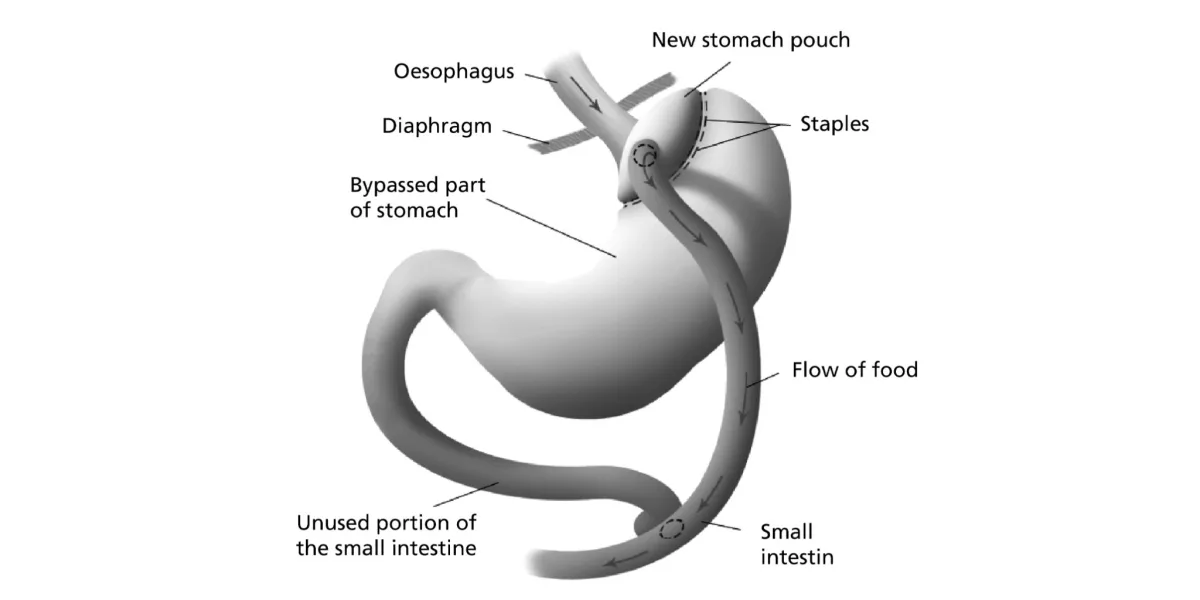
Roux en Y gastric bypass is a type of metabolic and bariatric surgery designed to help people with obesity lose weight while potentially improving obesity related medical conditions. During the procedure, the surgeon creates a small pouch from the upper portion of the stomach.
The newly created stomach pouch is then connected to a lower section of the small intestine. Food therefore bypasses most of the stomach and the first section of the small intestine. The remaining stomach continues to produce digestive fluids, but food no longer passes through it in the usual way.
- A small stomach pouch limits the amount of food consumed at one time.
- Part of the small intestine is bypassed.
- The procedure changes both eating capacity and nutrient flow.
- Hormonal and metabolic changes may contribute to improved diabetes control.
How Gastric Bypass Can Help Patients With Diabetes
Improving Blood Sugar Control
One of the major reasons gastric bypass is considered for certain patients with type 2 diabetes is its potential metabolic effect. Improvements in blood glucose may occur after surgery, sometimes before significant weight loss has taken place.
Changes in food intake, intestinal nutrient exposure, gut hormones, insulin sensitivity, and body weight can all contribute to improved glucose regulation.
- Better blood glucose control may occur after surgery.
- Some patients experience reduced dependence on diabetes medications.
- Metabolic improvements can occur relatively early after surgery.
- Results vary between individuals.
Improving Insulin Sensitivity
Obesity can make the body's tissues less responsive to insulin. This condition is known as insulin resistance and is a major factor in the development and progression of type 2 diabetes.
Weight loss following gastric bypass may reduce insulin resistance. As the body becomes more responsive to insulin, blood glucose may become easier to control.
- Weight reduction can improve insulin sensitivity.
- Lower insulin resistance may support better metabolic health.
- Individual diabetes outcomes depend on several factors.
Who May Consider Gastric Bypass Surgery for Diabetes
Not every person with diabetes is a candidate for bariatric surgery. Doctors generally evaluate several factors before recommending an operation.
Body Mass Index and Obesity
BMI is one of the factors used to evaluate eligibility for bariatric surgery. However, BMI alone does not determine whether surgery is appropriate.
A medical team may also consider existing health conditions, previous weight loss attempts, diabetes control, medications, nutritional status, and overall surgical risk.
- BMI is an important part of the assessment.
- Diabetes and other obesity related conditions may influence treatment decisions.
- Previous weight management efforts may be reviewed.
- The final decision should be individualized.
Diabetes History
Doctors may assess how long a patient has had type 2 diabetes and how effectively it is currently controlled.
The likelihood of diabetes improvement can vary depending on factors such as diabetes duration, pancreatic function, medication requirements, weight, and overall metabolic health.
- Diabetes duration may influence expected outcomes.
- Current glucose control is important.
- Medication history should be reviewed before surgery.
- Individual expectations should be discussed with the bariatric team.
Benefits of Roux en Y Gastric Bypass for Diabetes
Roux en Y gastric bypass may provide benefits beyond weight reduction for appropriately selected patients with obesity and type 2 diabetes.
Potential Diabetes Improvement
Some patients experience substantial improvement in their diabetes following gastric bypass. In certain cases, blood glucose may become well controlled with fewer medications, while some patients may experience remission.
Diabetes remission does not necessarily mean diabetes can never return. Continued monitoring and healthy lifestyle habits remain important.
- Blood glucose may improve following surgery.
- Diabetes medication requirements may decrease.
- Some patients may achieve remission.
- Long term monitoring remains necessary.
Weight Loss and Metabolic Health
Significant weight loss can reduce the impact of several obesity related conditions. Patients may experience improvements in mobility, blood pressure, cholesterol levels, sleep related breathing problems, and other metabolic risk factors.
- Weight reduction can improve overall metabolic health.
- Physical activity may become easier.
- Obesity related health risks may decrease.
- Results depend on individual circumstances and long term adherence.
What Happens During Roux en Y Gastric Bypass Surgery
Roux en Y gastric bypass is generally performed using minimally invasive laparoscopic techniques when appropriate.
Creating the Stomach Pouch
The surgeon divides the upper portion of the stomach to create a small pouch. This pouch becomes the new pathway for food.
Rerouting the Small Intestine
A section of the small intestine is connected to the stomach pouch. Another connection is created further along the intestine, producing the characteristic Roux en Y configuration.
- The stomach pouch holds much less food than the original stomach.
- Food travels through a modified digestive pathway.
- The procedure combines restrictive and metabolic effects.
- Surgical technique may vary according to individual anatomy.
Preparation Before Gastric Bypass Surgery
Proper preparation can help patients approach surgery safely and understand the lifestyle changes required afterward.
Medical Assessment
Before surgery, patients may undergo blood tests, nutritional assessment, medical evaluation, and other investigations based on their health status.
People with diabetes may require particular attention to glucose control and diabetes medications around the time of surgery.
- Complete the recommended medical investigations.
- Discuss all medications with your surgical team.
- Follow instructions regarding diabetes medication.
- Inform your doctor about existing medical conditions.
Dietary Preparation
A preoperative diet may be recommended to help reduce liver size and prepare the digestive system for surgery. The exact dietary plan should be provided by the treating bariatric team.
- Follow the prescribed preoperative diet.
- Maintain adequate hydration as advised.
- Avoid making major dietary changes without professional guidance.
Recovery After Roux en Y Gastric Bypass
Recovery varies from patient to patient. Most people gradually progress from liquids to other foods according to their surgeon and dietitian's instructions.
Diet Progression
After surgery, the digestive system needs time to adjust. Patients usually progress through carefully planned dietary stages.
- Begin with the recommended liquid diet.
- Gradually introduce appropriate soft foods.
- Eat small portions.
- Chew food thoroughly.
- Follow protein and fluid recommendations.
Physical Activity
Walking is commonly encouraged during early recovery according to the medical team's instructions. More strenuous exercise can usually be introduced gradually as healing progresses.
- Start physical activity only as advised.
- Increase activity gradually.
- Avoid heavy lifting until cleared by your surgeon.
- Build long term exercise habits after recovery.
Diabetes Medication After Gastric Bypass
Diabetes medications may need to be adjusted as blood glucose levels change following surgery. Patients should never stop insulin or other diabetes medicines independently.
Rapid changes in blood glucose can occur during the postoperative period, making medical monitoring especially important.
- Monitor blood glucose according to your medical team's instructions.
- Take medications exactly as prescribed.
- Report unusual blood glucose readings to your healthcare provider.
- Medication changes should be medically supervised.
Risks and Possible Complications
Although Roux en Y gastric bypass can provide important health benefits, it is still major surgery and carries potential risks.
Possible complications may include bleeding, infection, blood clots, leaks, bowel obstruction, nutritional deficiencies, ulcers, dumping syndrome, and other problems.
Long term nutritional deficiencies can occur because the digestive system has been altered. Patients may therefore require lifelong vitamin and mineral supplementation and regular medical monitoring.
- Understand both short term and long term risks.
- Follow postoperative instructions carefully.
- Take prescribed supplements consistently.
- Attend recommended follow up appointments.
Nutritional Care After Gastric Bypass
Nutrition becomes especially important after Roux en Y gastric bypass. Because the digestive system has been changed, patients must follow a structured dietary plan.
Protein Intake
Adequate protein is important for maintaining muscle mass during weight loss. A dietitian can provide individualized protein targets based on the patient's needs.
Vitamins and Minerals
Patients may require supplements such as multivitamins and specific vitamins or minerals depending on their medical evaluation and postoperative laboratory results.
- Follow the supplement plan provided by your bariatric team.
- Attend routine blood tests when recommended.
- Do not assume supplements are unnecessary simply because you feel well.
Roux en Y Gastric Bypass Versus Other Bariatric Procedures
Different bariatric procedures have different mechanisms, benefits, risks, and suitability.
Gastric Sleeve
Sleeve gastrectomy removes a large portion of the stomach without intestinal bypass. It can provide significant weight loss, but the choice between sleeve surgery and gastric bypass depends on the patient's individual medical needs.
Gastric Bypass
Gastric bypass combines stomach restriction with intestinal rerouting and has important metabolic effects. It may be particularly considered for patients with obesity and certain metabolic conditions.
- No single bariatric procedure is ideal for everyone.
- Diabetes status can influence procedure selection.
- Acid reflux and other medical conditions may also influence the decision.
- A bariatric surgeon should evaluate each patient individually.
How Long Do Results Last
Long term success after gastric bypass depends on several factors. Surgery provides an important tool for weight management, but it does not replace healthy eating, physical activity, nutritional monitoring, and regular medical care.
Some patients may experience weight regain over time. Early recognition and professional support can help address changes in eating habits, activity levels, or other contributing factors.
- Maintain healthy eating habits.
- Continue regular physical activity.
- Attend long term follow up appointments.
- Monitor nutritional health.
- Seek professional guidance if weight regain occurs.
Frequently Asked Questions
Can Gastric Bypass Cure Type 2 Diabetes
Gastric bypass can lead to major improvement and sometimes remission of type 2 diabetes in eligible patients, but outcomes vary. Diabetes should continue to be monitored even when blood glucose improves.
Can I Stop Diabetes Medication After Surgery
Medication requirements may decrease after surgery, but patients should only change or stop medication under medical supervision.
Is Roux en Y Gastric Bypass Safe
Roux en Y gastric bypass is an established bariatric procedure, but like all major operations it carries risks. A qualified surgical team can assess individual risks and provide appropriate monitoring.
How Much Weight Can I Lose
Weight loss varies based on starting weight, health status, diet, physical activity, adherence to follow up care, and other individual factors. Your bariatric team can provide a more personalized expectation.
Can Diabetes Return After Surgery
Yes. Diabetes improvement or remission is not always permanent. Long term lifestyle management and medical follow up remain important.
Why Choose Professional Bariatric Care in Islamabad
Choosing a bariatric surgery provider involves more than comparing procedure prices. Patients should consider the experience of the surgical team, hospital facilities, anesthesia support, dietetic care, postoperative monitoring, and long term follow up.
For patients considering Roux en Y Gastric Bypass Surgery in Islamabad, a comprehensive evaluation can help determine whether gastric bypass is an appropriate option for their weight and diabetes management goals.
Final Thoughts
Roux en Y gastric bypass can be an effective treatment option for carefully selected patients living with obesity and type 2 diabetes. Its benefits can extend beyond weight loss, with potential improvements in blood glucose control and other metabolic conditions. However, surgery is only one part of long term treatment. Appropriate patient selection, professional surgical care, nutritional support, medication management, physical activity, and lifelong follow up all contribute to better outcomes.
If you are considering Roux en Y Gastric Bypass Surgery in Islamabad, Slimthetics Clinic provides a patient focused approach to bariatric and weight management care. The clinic's experienced team can assess your health, discuss suitable surgical options, explain the expected benefits and risks, and help you understand the lifestyle changes needed for long term success. A personalized consultation at Slimthetics Clinic can be the first step toward making a medically informed decision about your weight and metabolic health.


