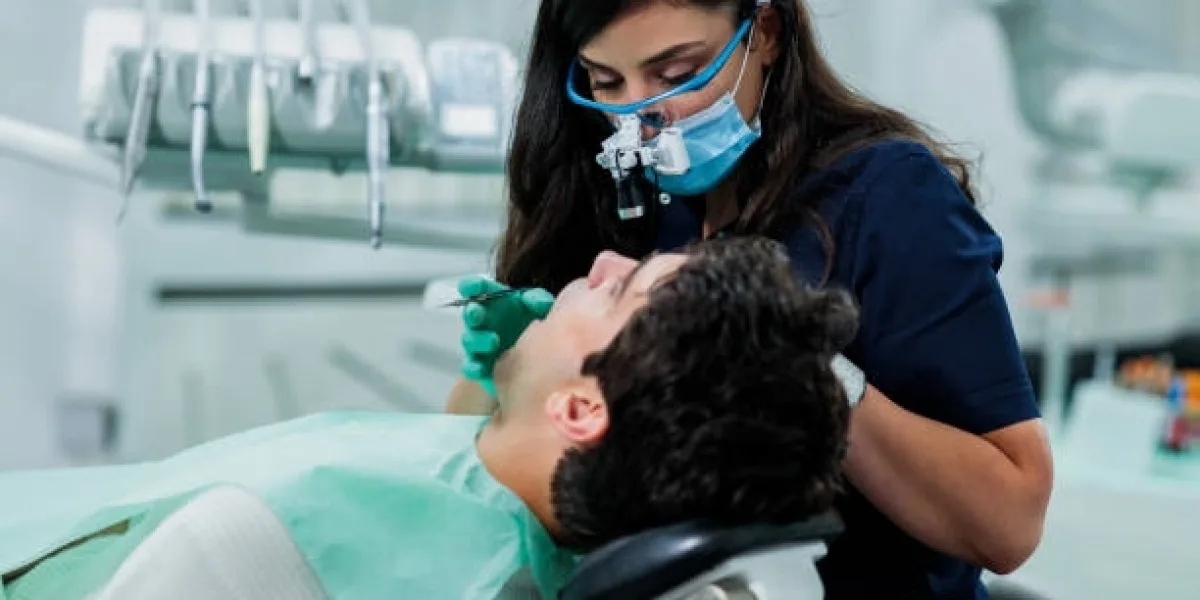
The mouth, jaws, face, and associated structures can develop conditions that require more than routine dental treatment. Oral and maxillofacial surgery is a specialist field concerned with the diagnosis and surgical management of a wide range of conditions affecting these areas.
Treatment can involve teeth and gums, jawbones, facial injuries, cysts, tumours, salivary glands, and other structures of the head and neck. The complexity of care varies considerably. Some procedures are relatively minor, while others require hospital-based treatment and coordinated care between several specialists.
For patients, understanding what this specialty covers can make it easier to recognise when specialist assessment may be appropriate.
Conditions That May Require Specialist CareThere is no single condition that defines oral and maxillofacial surgery. Specialists may treat patients with impacted teeth, difficult dental infections, facial trauma, jaw abnormalities, cysts, and other structural problems.
A person with a severely impacted wisdom tooth may require surgical removal when the tooth is positioned close to bone or important anatomical structures. Another patient may be referred after a facial injury that has resulted in a fractured jaw.
Some patients are assessed for conditions affecting the way the upper and lower jaws meet. Others may require investigation of persistent lumps, lesions, or abnormalities within the mouth and jaw.
Because these conditions can have very different causes, diagnosis is an important part of specialist care before any surgical treatment is recommended.
From Difficult Extractions to Complex Jaw ProceduresOne of the more familiar areas of oral surgery is the removal of teeth that cannot be extracted conventionally. This includes impacted wisdom teeth, retained roots, and severely broken teeth.
However, the specialty extends considerably beyond tooth extraction. Depending on their training and clinical practice, specialists may perform procedures involving jaw cysts, dental implants, bone grafting, corrective jaw surgery, and treatment of facial injuries.
Some patients may undergo relatively short procedures under local anaesthesia, while complex operations can require sedation or general anaesthesia in a hospital setting.
The treatment method depends on the diagnosis, the patient's general circumstances, the location of the problem, and the complexity of the surgery.
Why Diagnostic Imaging Is So ImportantSurgery involving the jaw and face requires a detailed understanding of anatomy. Diagnostic imaging can therefore play an important role in treatment planning.
Conventional dental X-rays may provide useful information about teeth and roots. In more complicated cases, three-dimensional imaging can provide a clearer view of the relationship between teeth, bone, nerves, sinuses, and other structures.
For example, when an impacted lower wisdom tooth is close to a major nerve, understanding its exact position can help the surgeon assess the potential risks and plan an appropriate surgical technique.
Imaging does not replace a clinical examination. Instead, it gives the specialist additional information that can be combined with symptoms, medical history, and physical findings.
What a Specialist Consultation InvolvesA consultation is usually more than simply deciding whether an operation is needed. The specialist first needs to establish what is causing the problem and whether surgery is actually the most appropriate solution.
Patients may be asked about pain, swelling, previous treatment, injuries, medications, and relevant medical conditions. The surgeon may then examine the mouth, face, jaw movement, and surrounding tissues.
If imaging is required, the results can be used to explain the condition and discuss treatment choices. Depending on the diagnosis, options may include monitoring, medication, dental treatment, minimally invasive procedures, or surgery.
Patients should use the consultation to ask practical questions about the proposed operation, anaesthesia, recovery, possible complications, and follow-up care.
Hospital Treatment and Multidisciplinary CareSome maxillofacial conditions are too complex to manage in a standard dental environment. Hospital-based services can provide access to specialist surgeons, anaesthetists, nurses, advanced imaging, and other medical professionals.
Multidisciplinary care can be particularly important when a patient's condition involves more than one area of healthcare. For example, facial trauma may require input from surgical and medical teams, while complex jaw problems can involve collaboration between surgeons, orthodontists, and restorative dental professionals.
This coordinated approach allows different aspects of a patient's condition to be considered rather than treating one problem in isolation.
The setting for treatment therefore depends on the procedure and the patient's individual needs.
Preparing for Recovery and Long-Term CareRecovery from oral and maxillofacial surgery can vary enormously. A simple surgical extraction may involve a relatively short recovery period, whereas major jaw or facial surgery can require considerably more time and structured follow-up.
Patients should receive clear instructions about wound care, eating, oral hygiene, medication, physical activity, and warning signs that require medical attention. Following these instructions is an important part of the treatment process.
Long-term care may also involve additional dental treatment, orthodontics, rehabilitation, or further monitoring depending on the original condition.
The purpose of specialist surgery is not simply to complete an operation. Successful care involves accurate diagnosis, appropriate planning, safe treatment, recovery support, and attention to the patient's long-term oral and facial health.