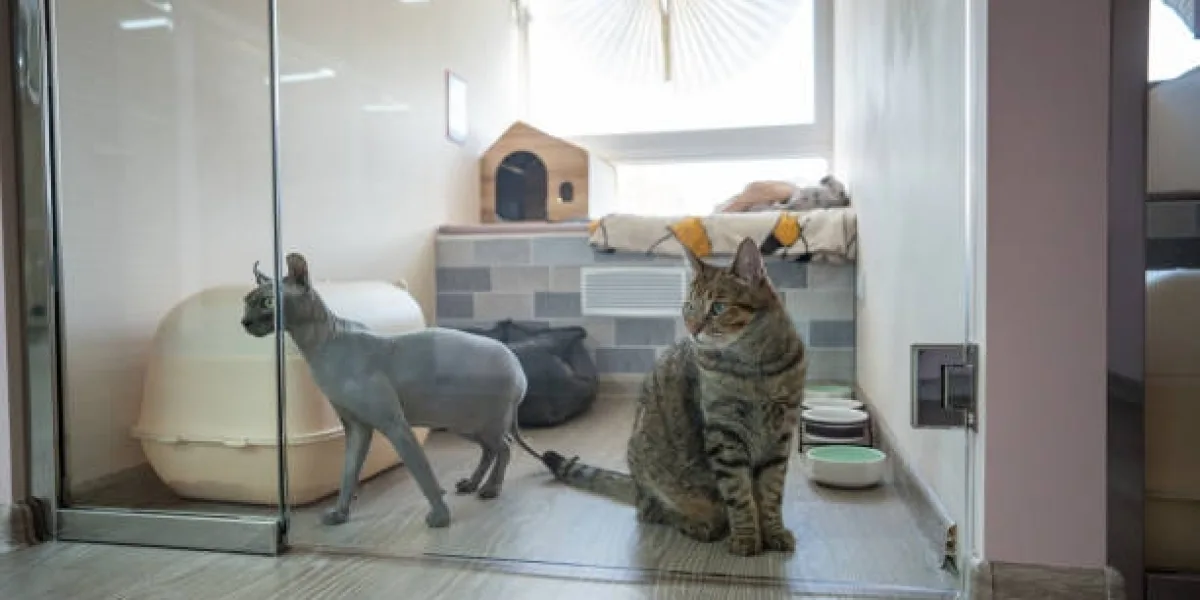
Leaving your pet at a boarding facility for the first time is genuinely stressful. Not just for them. For you too. You spend the whole drop-off drive wondering if they'll be okay, if they'll eat, if they'll panic when you walk away. The good news is that a bit of preparation before the stay makes a real difference. If you're planning to use Pet Boarding in Fullerton CA, this guide walks you through everything you'll want to sort out ahead of time, from vet paperwork to what to pack in their bag. Get this right and you'll both feel a lot better about the whole thing.
Why Preparation Actually Matters
Some people think boarding is boarding. Drop the pet off, pick them up later, done. But animals are creatures of habit, and a sudden change of environment with no familiar smells, no usual routine, and no recognizable faces can spike their stress pretty fast. Preparation doesn't eliminate that adjustment period, but it shortens it significantly. A dog that's been crate-trained and has a blanket from home is going to settle in a lot quicker than one that hasn't.
Cats are even more sensitive to environmental change than dogs, honestly. They rely heavily on scent to feel secure. Sending along something that smells like your home, like a worn t-shirt or their usual bedding, can genuinely calm them down in an unfamiliar space. Small things. Big difference.
Health Records and Vaccinations: Get These Sorted First
Almost every boarding facility requires proof of current vaccinations before they'll accept your pet. For dogs, that usually means rabies, distemper, and Bordetella (the kennel cough vaccine). Cats typically need rabies and FVRCP. Don't wait until the week before to sort this out. Your vet may need to schedule an appointment, and some vaccines require a booster a certain number of days in advance to be considered valid.
Bring a printed copy of your pet's health records on drop-off day. Digital is fine as a backup, but paper is faster when staff need to check details quickly. If your pet is on any medication, bring that too, clearly labeled with the dose and timing. And if your pet has any known health conditions, write them down rather than just mentioning them verbally. Staff changes happen, and a written note doesn't get lost between shifts.
It's also worth scheduling a general vet check-up before a first boarding stay, especially if it's been a while. You want to know your pet is healthy going in, and your vet can flag anything that might need extra attention while you're away. The American Veterinary Medical Association's pet boarding guidance is a solid reference if you want to read more about what's typically expected health-wise.
What to Pack for Their Stay
Think of it like packing for a kid's first sleepover. Familiar stuff helps. A lot.
For food, bring exactly what your pet normally eats, pre-portioned if possible, and labeled with their name and feeding schedule. Switching food during a boarding stay is a recipe for an upset stomach, which is unpleasant for the pet and stressful for the staff. Don't assume the facility will have your brand on hand, even if they offer food as part of the service. Bring your own and ask them to use it.
- Bedding or a blanket from home (unwashed so it still smells like you)
- A favorite toy or two, nothing too small or easy to destroy unsupervised
- Their regular food, portioned by meal with written instructions
- Any medications with clear dosing notes
- A comfort item like a worn t-shirt if your pet is particularly anxious
- Their leash and collar with current ID tags
Keep it simple. You don't need to send their entire toy box. Two or three familiar items are enough. Too much stuff just creates clutter and confusion.
Acclimating Your Pet Before the Stay
If you've got time before the boarding date, use it. Short acclimation steps can make a noticeable difference in how your pet handles the experience. Crate training is one of the best things you can do if your dog isn't already comfortable in a crate. Start small, keep the experience positive, and build up to longer periods gradually. A dog that sees a crate as a safe spot rather than a punishment is going to handle a kennel environment much better.
Some facilities will let you do a short trial visit before the actual stay. Worth asking about. Even a two-hour drop-off where your pet gets to sniff around, meet the staff, and go home again can take a lot of the edge off the first real overnight. It's the difference between a completely unfamiliar place and somewhere they've been before. That recognition matters to animals.
For cats, the carrier itself is often the first stressor. If your cat only sees the carrier when it's vet time, they've learned to dread it. Leave it out in your home for a week or two before the stay, with a blanket inside and maybe some treats. Let them explore it on their own terms. By the time boarding day comes, the carrier is just furniture, not a threat.
Communicating With the Facility About Your Pet's Needs
Good boarding staff genuinely want to know your pet's quirks. Don't hold back here. If your dog gets snappy around food, say so. If your cat hides for the first few hours somewhere new, mention it. If your pet has a specific bedtime routine or gets anxious during thunderstorms, write it down. The more the staff know, the better they can respond when something comes up.
When you book your stay at a Local Pet Boarding in Fullerton, CA facility, ask what information they collect upfront and whether they have an intake form. Most do. Fill it out thoroughly rather than rushing through it at drop-off. Critter Lodge is one option people in the area use for this kind of stay, and like most good facilities, they rely on that owner-provided detail to keep pets comfortable and well-cared-for during their time there.
Also ask about their communication policy. Can you call to check in? Do they send updates? Knowing you can get a quick status check mid-stay takes a lot of the worry out of the experience for you. And honestly, that matters too.
The Drop-Off Itself
Keep it short. This is hard, but it's the right call. Long, emotional goodbyes actually increase pet anxiety rather than soothing it. Your pet reads your energy, and if you're visibly distressed, they assume something is wrong. Hand them off calmly, say a quick goodbye, and leave. It feels rough. But most pets settle within twenty to thirty minutes once you're gone and they realize the environment is safe.
If you're using Local Pet Boarding in Fullerton, CA for the first time, try to drop off at a quieter part of the day if the facility allows it. Mornings can be hectic with multiple arrivals at once. A calmer drop-off window means staff have more time to give your pet a proper settling-in period rather than a rushed handoff. Ask when you book. Small detail, but it helps.
Pet Boarding in Fullerton CA doesn't have to be a stressful experience for anyone involved. A little prep, the right paperwork, some familiar items from home, and honest communication with the facility goes a long way toward making the stay a genuinely good one for your pet.
Frequently Asked Questions
How far in advance should I book a boarding stay?
At least two to three weeks out for a regular stay, and more like six to eight weeks if you're booking around holidays or school breaks. Facilities fill up fast during peak periods, and you don't want to scramble at the last minute with a pet that hasn't been vetted or prepped yet.
What vaccines does my pet need before boarding?
For dogs, most facilities require rabies, distemper, and Bordetella at minimum. For cats, rabies and FVRCP are standard. But requirements vary by facility, so call ahead and confirm exactly what they need before your vet appointment so you don't miss anything.
What if my pet has never been away from me before?
That's pretty common, especially with younger pets. Start with short crate practice at home, and if the facility offers a trial visit, take them up on it. Sending familiar-smelling items helps too. Most pets adjust faster than their owners expect once they're actually in the new environment.
Can I bring my pet's own food?
Yes, and you should. Switching food during a stressful period is a common cause of digestive upset in pets. Bring exactly what they eat at home, pre-portioned by meal, with written feeding instructions. Label everything clearly with your pet's name.
How do I know if a boarding facility is a good fit for my pet?
Visit in person before you book if you can. Look at how staff interact with the animals, whether the space is clean, and how they handle your questions. A good facility will welcome the visit and answer everything clearly. If they're cagey about showing you around, that's worth paying attention to.