
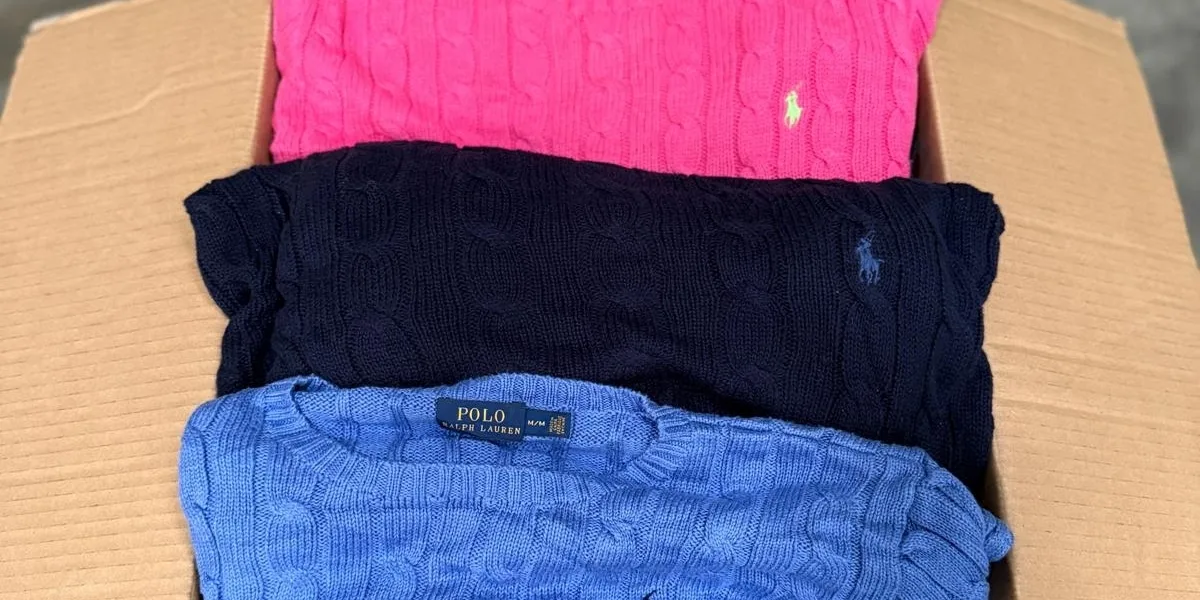
Have you noticed how your social media feeds are absolutely packed with people showing off their latest thrift hauls? Or maybe you’ve walked past a local boutique and seen a rack of perfectly faded 90s band tees selling for a premium.
The vintage boom isn’t just a passing trend—it’s a massive cultural shift. Consumers are actively moving away from the cheap, disposable cycle of fast fashion in favor of unique, high-quality pieces with a history.
For aspiring entrepreneurs, side-hustlers, and boutique owners, this shift represents a golden opportunity. And the secret engine powering this entire movement? wholesale vintage clothing.
If you've ever wondered how sellers source hundreds of unique items without spending every waking hour digging through local thrift store bins, you’re in the right place. Let’s pull back the curtain on how vintage wholesaling works and how you can get started.
What Exactly is Wholesale Vintage Clothing?
At its core, vintage wholesaling is the practice of buying older, secondhand garments (usually at least 20 years old) in large quantities at a heavily discounted, per-piece rate.
Instead of buying one jacket for $30, a wholesaler might sell you a bundle or a "bale" of 50 jackets for a fraction of that price per item. This gives you the inventory volume and the profit margins you need to run a viable resale business, whether you're selling on Depop, Instagram, Shopify, or at physical flea markets.
How Does the Sourcing Actually Work?
If you are new to the scene, the logistics of wholesale vintage can feel a bit mysterious. Wholesalers typically offer a few different ways to buy:
- By the Bale or Weight: This is the most traditional route. You buy large, tightly compressed bundles (bales) of clothing, often weighing 100 to 1,000 pounds. It is cheap, but it’s a gamble. You might get absolute gold, or you might get items that are stained, damaged, or unsellable.
- By Category (Mystery Boxes/Bundles): Many modern wholesalers curate smaller lots for you. For example, you might purchase a "Bundle of 25 Vintage Carhartt Jackets" or "50 Graphic Tees." You don’t choose the exact items, but you know exactly what category and grade (quality level) you are getting.
- Handpicking (The Premium Route): Some wholesalers allow you to visit their warehouses—either in person or via video call—to hand-select each item you buy. You pay a higher price per piece for this privilege, but it virtually eliminates the risk of getting dead stock (unsellable inventory).
The Pros and Cons of Going Wholesale
Before you dive in and spend your hard-earned cash on a massive shipment of clothes, it’s important to weigh the reality of the business.
The Good Stuff:
- Insane Profit Margins: Buying a vintage sweatshirt wholesale might cost you $5 to $10. If it has the right brand or graphic, you could easily flip it for $40 to $80.
- Instant Scaling: Sourcing one-by-one at local thrift stores is exhausting and doesn't scale. Wholesale lets you stock an entire online store overnight.
- The Eco-Friendly Angle: Gen Z and Millennial shoppers love sustainability. By selling vintage, you are actively helping to keep textiles out of landfills, which is a fantastic selling point for your brand.
The Challenges:
- The "Cleaning and Prep" Grind: Vintage clothing has lived a life. When your wholesale order arrives, you will need to wash, steam, stain-treat, and sometimes repair the items before they are ready for photos.
- Inconsistent Sizing: Vintage sizing is wildly different from modern sizing. A 1980s medium often fits like a modern small. You have to take manual measurements of every single item you list, which takes time.
- Upfront Cost: Unlike drop-shipping, you need to invest capital upfront to buy your inventory.
3 Golden Rules for First-Time Buyers
If you’re ready to make your first wholesale purchase, keep these tips in mind to protect your investment:
1. Start Small and Test the Waters
Do not buy a 500-pound bale of clothing on day one. Start with a smaller, curated handpick bundle or a 20-piece mystery box. This allows you to check the wholesaler’s grading quality, shipping times, and communication before risking a large amount of money.
2. Know Your Audience
Before you buy, know exactly who you are selling to. If your target market loves 1970s bohemian fashion, buying a wholesale lot of 1990s sports crewnecks is going to leave you stuck with inventory. Match your wholesale orders to your specific brand aesthetic.
3. Ask About the Return Policy and "Grading"
In the vintage industry, "Grade A" means the clothing is in excellent condition with minimal wear. "Grade B" might have minor stains, small holes, or fading. Always ask the wholesaler for their specific definitions of these grades, and find out what their policy is if you receive items that are completely damaged.
The Bottom Line
Wholesale vintage clothing is the ultimate fuel for any creative fashion business. It takes patience, a lot of laundry detergent, and a sharp eye for trends, but the reward of turning discarded history into a thriving brand is incredibly satisfying.


