
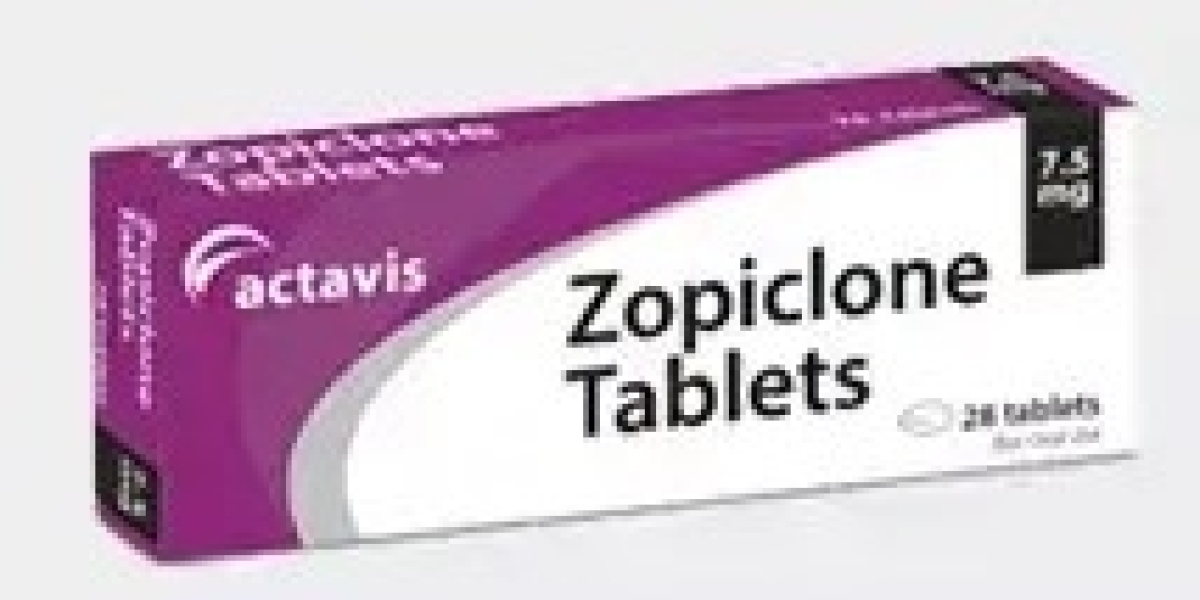
The question of whether Zopiclone 10mg is addictive is one of the most searched queries around this medication — and it deserves a careful, honest answer rather than a headline designed to alarm. The truth lies somewhere between "completely safe" and "dangerously addictive," and understanding where exactly requires unpacking what dependency actually means in clinical terms.
Physical Dependence vs Psychological Reliance vs Addiction
These three terms are often used interchangeably, but they describe distinct phenomena. Physical dependence means your body has adapted to the presence of Zopiclone 10mg, and reducing or stopping it abruptly causes withdrawal symptoms such as rebound insomnia, anxiety, or tremor. Psychological reliance means you have come to associate the act of taking the tablet with being able to sleep, and feel unable to sleep without it even when the pharmacological need has passed. Addiction, in its clinical definition, involves compulsive drug-seeking behaviour, loss of control over use, and continued use despite clear harm.
Why Zopiclone Carries a Schedule 4 Classification
In the UK, Zopiclone 10mg is classified as a Schedule 4 Part 1 controlled drug under the Misuse of Drugs Regulations 2001. This classification exists because of its potential for misuse and dependency — not because it is inherently dangerous when used as prescribed. The classification governs how it can be prescribed, dispensed, and stored, but it does not mean that taking it under medical supervision is unsafe. Millions of UK patients use Zopiclone appropriately without developing problematic dependency.
Who Is Most at Risk?
Not everyone who takes Zopiclone 10mg is equally vulnerable to dependency. Research and clinical experience consistently identify certain risk factors:
- A personal or family history of alcohol or substance misuse
- Co-existing anxiety disorder or panic disorder
- Previous use of benzodiazepines or other sedative medications
- Taking Zopiclone for longer than the recommended four-week period
- Using the medication outside of prescribed parameters — such as taking extra doses or using it recreationally
How to Stop Safely If Needed
If you and your GP decide it is time to discontinue Zopiclone 10mg — particularly if you have been taking it for several weeks — a gradual taper is almost always preferable to abrupt cessation. A common approach involves reducing the dose by small increments over a period of several weeks, allowing the brain to readjust naturally. Your GP may also suggest switching to a longer-acting equivalent during the taper to smooth the process.
FAQ — Dependency
Q: Can I become addicted to Zopiclone 10mg after just one week?
A: Physical dependence within one week is unlikely, though not impossible in those with high vulnerability. One to two weeks of use at the prescribed dose, for most healthy adults, carries a low dependency risk.
Q: What does Zopiclone withdrawal feel like?
A: Common withdrawal symptoms include rebound insomnia (often worse than the original sleep problem), anxiety, irritability, sweating, and in severe cases, tremor or perceptual disturbances. This is why tapering slowly under GP supervision is important.
Q: Will my GP judge me for telling them I am worried about dependency?
A: A good GP will not. Raising your concerns honestly is exactly the right thing to do and opens the door to a structured, supervised approach to managing or discontinuing the medication.
Q: Is there a non-addictive alternative to Zopiclone 10mg?
A: Cognitive Behavioural Therapy for Insomnia (CBT-I) has a strong evidence base and carries no dependency risk. It is recommended by NICE as a first-line treatment for chronic insomnia before or alongside medication.
Actionable Takeaway: If you have been taking Zopiclone 10mg for more than four weeks, book an appointment with your GP specifically to discuss your exit plan — whether that is a structured taper, a referral to CBT-I, or a sleep clinic assessment. Dependency risk grows with each additional week of use, and planning your exit is not a sign of failure — it is smart, proactive healthcare.


