
Multiple Sclerosis (MS) is a chronic illness that affects the central nervous system. The disease causes the immune system to attack myelin. Myelin is a protective sheath that covers nerve fibers. This damage disrupts communication between the brain and the rest of the body. Over time, the disease can cause permanent damage or deterioration of the nerves. The exact cause of MS remains unknown. However, it's believed to involve a combination of genetic and environmental factors. Early symptoms can include vision problems, fatigue, and difficulty walking. Understanding MS is crucial to finding effective treatments.
Stem Cells: A Brief Overview
Stem cells are unique because they can develop into many different cell types. These cells can be found in various tissues throughout the body. They have the potential to repair and regenerate damaged tissues. This characteristic makes them incredibly valuable in medical research. There are two main types of stem cells: embryonic and adult stem cells. Embryonic stem cells are derived from embryos. Adult stem cells, however, are found in tissues like bone marrow. Both types have unique properties and uses. Their versatility is what makes them so promising in treating diseases like MS.
The Role of Stem Cells in Medicine
Stem cells have revolutionized modern medicine. They offer potential treatments for many diseases. One of their most promising applications is in regenerative medicine. This field focuses on repairing or replacing damaged tissues and organs. Stem cells can be used to grow new tissues in the lab. These tissues can then be transplanted into patients. This approach has been used to treat conditions like leukemia and lymphoma. Stem cells also offer potential treatments for neurological disorders. Diseases like Parkinson's, Alzheimer's, and MS could benefit from stem cell therapy. The future of medicine looks bright with stem cells.
Understanding Multiple Sclerosis
Multiple Sclerosis is a complex and unpredictable disease. It can affect anyone, but it is more common in women. The disease typically appears between the ages of 20 and 40. MS affects the central nervous system, disrupting communication between the brain and body. Symptoms can vary widely. They may include numbness, tingling, and weakness in the limbs. More severe symptoms include paralysis and loss of vision. MS can be relapsing-remitting or progressive. In relapsing-remitting MS, symptoms come and go. Progressive MS, however, steadily worsens over time. Understanding the different forms of MS is essential for effective treatment.
Current Treatments for MS
Current treatments for MS aim to manage symptoms and slow disease progression. There is no cure for MS yet. Disease-modifying therapies (DMTs) are commonly used. These drugs can reduce the frequency and severity of relapses. They work by modifying the immune system's activity. Steroids are often used to treat acute flare-ups. They reduce inflammation and shorten the duration of relapses. Physical therapy can help manage symptoms and improve quality of life. Lifestyle changes, like a healthy diet and regular exercise, can also be beneficial. While these treatments can be effective, they often have limitations and side effects.
Stem Cells as a Potential Treatment
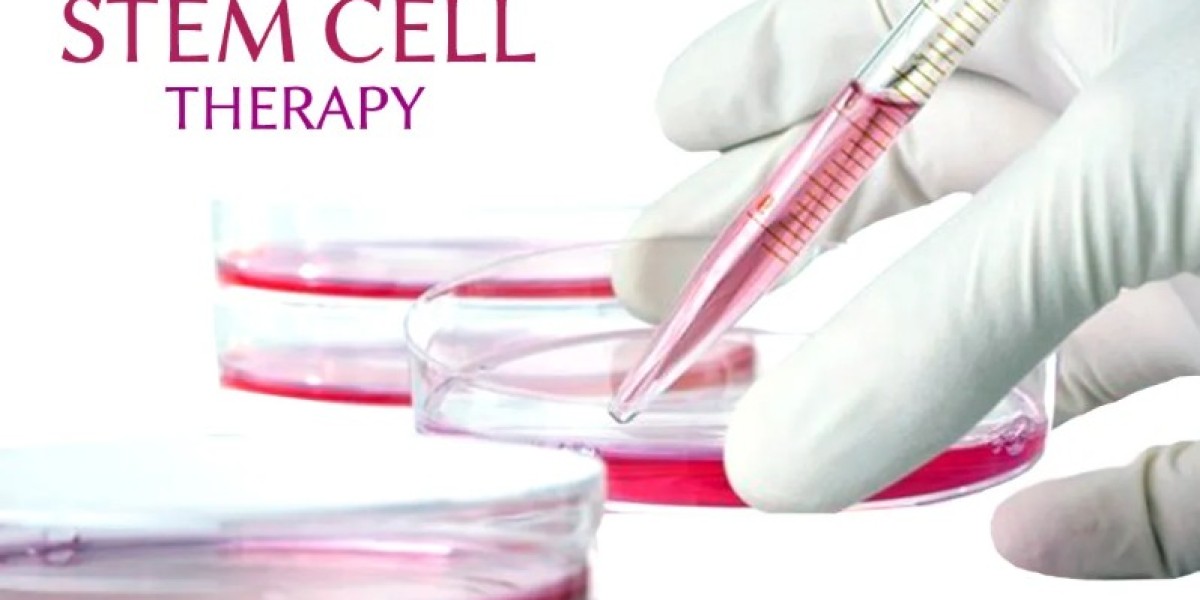
Stem cell therapy offers a promising new approach to treating MS. This treatment aims to repair and regenerate damaged tissues. There are several types of stem cells being studied for MS. Hematopoietic stem cells (HSCs) can be used to reset the immune system. Mesenchymal stem cells (MSCs) have anti-inflammatory properties and can protect nerve cells. Neural stem cells (NSCs) can potentially replace damaged nerve cells. These therapies are still in the experimental stages. However, early results have been promising. Stem cell therapy could offer a way to repair the damage caused by MS.
Hematopoietic Stem Cell Transplantation (HSCT)
Hematopoietic Stem Cell Transplantation (HSCT) is one of the most studied treatments for MS. This procedure involves collecting stem cells from the patient's bone marrow or blood. The patient then undergoes high-dose chemotherapy to suppress the immune system. The collected stem cells are then infused back into the patient. This process "resets" the immune system, preventing it from attacking myelin. HSCT has shown promising results in clinical trials. Many patients experience a significant reduction in symptoms. Some even achieve long-term remission. However, HSCT is a complex and risky procedure. It is usually reserved for severe cases of MS.
Mesenchymal Stem Cells (MSCs)
Mesenchymal Stem Cells (MSCs) are another promising option for treating MS. These cells can be found in many tissues, including bone marrow and fat. MSCs have the ability to modulate the immune system. They can reduce inflammation and promote tissue repair. MSCs can be injected directly into the bloodstream or the cerebrospinal fluid. Early studies have shown that MSC therapy can reduce disease activity in MS patients. This treatment is less risky than HSCT. However, more research is needed to understand its long-term effects. MSCs offer a potentially safer and effective treatment option for MS.
Neural Stem Cells (NSCs)
Neural Stem Cells (NSCs) are a specialized type of stem cell that can develop into nerve cells. These cells have the potential to replace damaged neurons in MS patients. NSCs can be derived from embryonic stem cells or induced pluripotent stem cells. They can be transplanted into the brain or spinal cord. Animal studies have shown that NSCs can improve symptoms and promote recovery in MS models. Human trials are still in the early stages. However, the results have been encouraging. NSC therapy could offer a way to repair the nervous system damage caused by MS.
Clinical Trials and Research
Clinical trials are essential for developing new treatments for MS. Many clinical trials are currently investigating the use of stem cells. These trials aim to determine the safety and efficacy of stem cell therapies. They involve rigorous testing and monitoring of patients. Early results from these trials have been promising. However, more research is needed to confirm their long-term benefits. Researchers are also exploring ways to improve stem cell therapies. This includes finding better sources of stem cells and developing new delivery methods. Ongoing research and clinical trials are crucial for advancing stem cell treatments.
Challenges and Risks
While stem cell therapy offers great potential, it also comes with challenges and risks. One of the main challenges is ensuring the safety of these treatments. Stem cell therapies can sometimes cause adverse reactions. There is also a risk of infection and other complications. Another challenge is the cost of these treatments. Stem cell therapy can be expensive and is often not covered by insurance. There are also ethical considerations, especially with the use of embryonic stem cells. Despite these challenges, the potential benefits of stem cell therapy make it a promising option for MS.
Ethical Considerations
The use of stem cells, particularly embryonic stem cells, raises ethical questions. Embryonic stem cells are derived from early-stage embryos. Some people believe that this destroys potential life. However, these cells are often obtained from embryos that would otherwise be discarded. Adult stem cells and induced pluripotent stem cells offer alternatives. These cells do not involve the destruction of embryos. It's important to balance the potential benefits of stem cell research with ethical considerations. Regulations and guidelines are in place to ensure ethical practices. Ongoing dialogue and ethical scrutiny are essential in this field.
Future Directions in Stem Cell Therapy
The future of stem cell therapy for MS looks promising. Researchers are continually finding new ways to improve these treatments. One area of focus is developing more effective delivery methods. This includes using biomaterials to support stem cell survival and function. Another area is improving the safety of stem cell therapies. This involves finding ways to reduce the risk of adverse reactions. Researchers are also exploring the use of gene editing to enhance stem cells. This could make them more effective at repairing damaged tissues. The future holds exciting possibilities for stem cell therapy in MS.
Patient Stories and Experiences
Many patients have shared their positive experiences with stem cell therapy. These stories offer hope and inspiration. One patient, diagnosed with MS in her 30s, underwent HSCT. After the procedure, she experienced a significant reduction in symptoms. She regained her ability to walk and live independently. Another patient received MSC therapy and reported improved mobility and reduced pain. These stories highlight the potential of stem cell therapy. They also emphasize the importance of continued research and clinical trials. Patient experiences provide valuable insights into the real-world impact of these treatments.
The Importance of Continued Research
Continued research is vital for advancing stem cell therapy for MS. Ongoing studies are needed to determine the long-term benefits and risks. Research is also essential for developing new and improved treatments. This includes exploring different types of stem cells and delivery methods. Collaboration between researchers, clinicians, and patients is crucial. Funding and support from governments and organizations are also needed. The progress made so far is encouraging. However, there is still much work to be done. Continued research will bring us closer to finding effective treatments and eventually a cure for MS.
Make an informed Decision
The power of stem cells in the fight against Multiple Sclerosis cannot be overstated. These versatile cells offer a promising new approach to treating this challenging disease. Stem cell therapy has the potential to repair and regenerate damaged tissues. It could provide relief for many MS patients. While challenges and risks remain, the future looks bright. Ongoing research and clinical trials are essential. They will help to refine and improve these treatments. The stories of patients who have benefited from stem cell therapy offer hope and inspiration. Visit us online to learn more about stem cell research and MS.


