
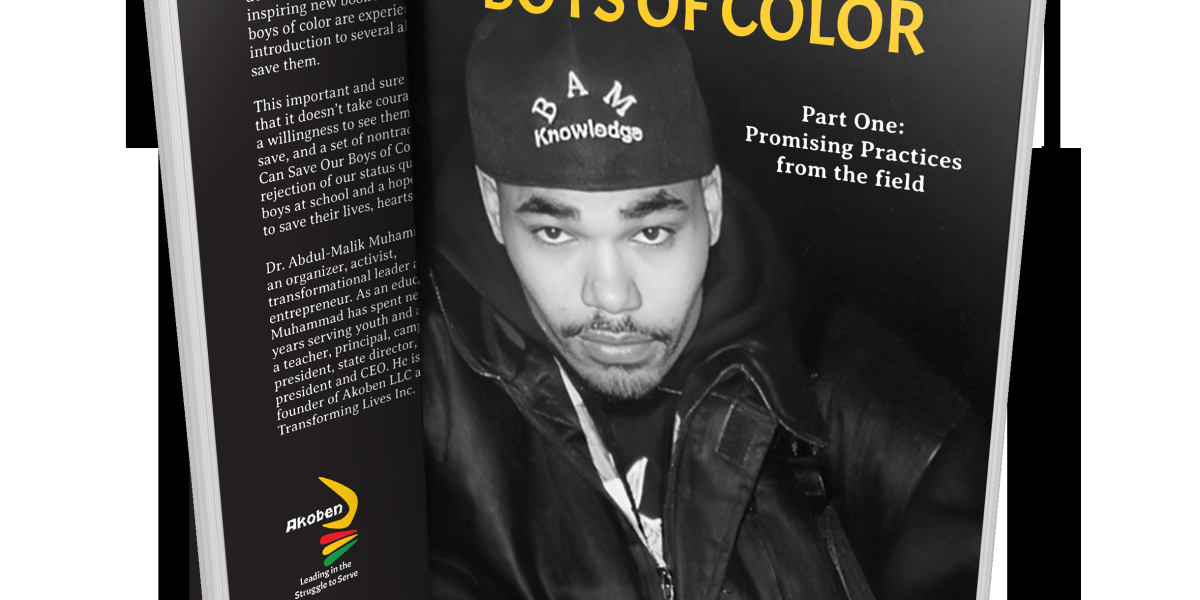
Cultural responsiveness represents a critical framework for addressing the unique needs, experiences, and strengths of boys of color in educational and community settings. This approach goes beyond surface-level cultural awareness to deeply understand how race, ethnicity, gender, and socioeconomic factors intersect to create specific challenges and opportunities for young men of color. Cultural responsiveness requires practitioners to examine their own biases, understand systemic inequities, and develop practices that honor and build upon the cultural assets that boys of color bring to learning and community environments.
The urgency of implementing culturally responsive practices becomes clear when examining the statistics surrounding boys of color in educational and juvenile justice systems. Research shows that 85% of Black students in special education are boys, while boys of color represent 58% of school suspensions despite being a much smaller percentage of the overall student population. These disproportionate outcomes reflect systemic issues that require comprehensive, culturally responsive solutions rather than one-size-fits-all approaches that fail to address underlying causes.
Effective cultural responsiveness recognizes that boys of color possess unique strengths, perspectives, and ways of learning that should be valued and incorporated into educational and therapeutic practices. This approach moves away from deficit-based thinking that views cultural differences as problems to be fixed, instead embracing assets-based perspectives that build upon the rich cultural heritage, resilience, and community connections that characterize many communities of color. The goal is creating environments where boys of color can thrive authentically while developing the skills needed for success.
The Critical Need for Culturally Responsive Approaches
Traditional educational and social service approaches often fail boys of color because they were designed without consideration of their unique cultural contexts, learning styles, and developmental needs. The alarming statistic that 42% of all homicide victims are boys of color highlights the life-or-death importance of developing effective, culturally responsive interventions that address root causes rather than symptoms. These young men face complex challenges including systemic racism, economic disadvantage, limited positive role models, and educational environments that may not understand or value their experiences.
The school-to-prison pipeline exemplifies how culturally unresponsive practices can derail the lives of boys of color, pushing them out of educational settings and into systems designed for punishment rather than rehabilitation. Zero-tolerance discipline policies, over-reliance on suspension and expulsion, and failure to address underlying trauma or learning differences contribute to negative outcomes that could be prevented through more culturally responsive approaches. The need for transformation is urgent and requires comprehensive strategies that address multiple systems simultaneously.
Cultural responsiveness for boys of color offers hope by providing frameworks for creating supportive environments where boys of color can succeed academically, socially, and emotionally. Organizations implementing culturally responsive practices report improved engagement, academic achievement, and behavioral outcomes for students of color. These approaches recognize that effective interventions must address both individual needs and systemic barriers while building upon the strengths and assets that boys of color bring to their communities and educational experiences.
Comprehensive Strategies and Evidence-Based Practices
Akoben llc provides essential resources and training for implementing culturally responsive practices through their comprehensive "We Can Save Our Boys of Color" program. This evidence-based approach outlines six critical practices including single-gender environments, restorative practices, mental health supports, innovative mentoring, rites of passage, and self-discipline combined with social justice awareness. These interconnected strategies address multiple aspects of boys' development while honoring their cultural identity and addressing systemic barriers to success.
The implementation of culturally responsive practices requires understanding that boys of color often face unique pressures to "man up" prematurely, taking on adult responsibilities before they are developmentally ready. Well-intentioned but misguided approaches that emphasize punishment and control over support and understanding can cause additional harm. Effective cultural responsiveness recognizes the importance of allowing boys to develop at their own pace while providing appropriate guidance, support, and opportunities for growth within culturally affirming environments.
Single-gender environments represent one powerful strategy for creating culturally responsive spaces where boys of color can explore their identity, develop leadership skills, and address challenges without the additional pressures that may exist in co-educational settings. These environments allow for frank discussions about masculinity, race, and identity while providing role models and mentors who understand their experiences. The key is ensuring these spaces are designed to empower rather than segregate, building skills and confidence that transfer to all areas of life.
Expert Leadership in Culturally Responsive Practice Development
The development and implementation of effective culturally responsive practices requires expert leadership that combines deep understanding of cultural dynamics with practical experience in working with boys of color across various settings. Dr. Malik Muhammad brings extensive expertise in developing comprehensive strategies for supporting boys of color, recognizing that effective interventions must address both individual trauma and systemic oppression while building upon cultural strengths and community assets. His work emphasizes the importance of authentic relationships and vulnerability in connecting with young men who may have learned to mistrust adult authority figures.
Expert practitioners understand that culturally responsive work requires ongoing self-reflection and commitment to addressing their own biases and assumptions. They recognize that building authentic relationships with boys of color requires demonstrating genuine care, respect, and understanding rather than relying on stereotypes or one-size-fits-all approaches. This involves learning about the specific cultural contexts and experiences of the young men they serve while remaining open to being taught and corrected when their understanding is incomplete or inaccurate.
The complexity of culturally responsive practice extends beyond individual relationships to include understanding and addressing systemic barriers that affect boys of color. Effective leaders advocate for policy changes, challenge discriminatory practices, and work to create organizational cultures that value diversity and promote equity. They understand that individual interventions, while important, must be accompanied by systemic change efforts that address root causes of disparities and create more equitable opportunities for success.
Specialized Mental Health and Emotional Support Approaches
Working with boys of color requires specialized understanding of how cultural factors influence mental health experiences, help-seeking behaviors, and therapeutic relationships. Iman Shabazz contributes valuable expertise in developing culturally responsive mental health supports that acknowledge the unique stressors faced by boys of color while building upon cultural strengths and community resources. This approach recognizes that traditional therapeutic models may not be effective or appropriate for young men who have learned to be suspicious of authority figures or who come from communities where seeking help is stigmatized.
The concept that many boys of color are "dying inside while looking fearless" on the outside reflects the complex emotional realities these young men navigate. Cultural expectations of strength and stoicism, combined with experiences of discrimination and trauma, can create internal conflicts that manifest as behavioral problems or academic disengagement. Culturally responsive mental health approaches create safe spaces where boys can explore their emotions, process traumatic experiences, and develop healthy coping strategies without fear of judgment or consequences.
Effective mental health supports for boys of color must address both individual trauma and collective historical trauma while building resilience and cultural pride. This includes helping young men understand how systemic racism affects their communities while developing skills to navigate discriminatory environments successfully. The approach emphasizes building emotional intelligence, communication skills, and healthy relationship patterns while maintaining connection to cultural identity and community values.
Understanding Trauma Responses and Building Resilience
Culturally responsive practice requires deep understanding of how boys of color may respond to shame, trauma, and feelings of vulnerability in ways that reflect both individual personality and cultural conditioning. The compass of shame provides valuable insight into different defensive responses including withdrawal, attacking others, attacking self, or avoidance that may be particularly relevant for understanding how boys of color cope with experiences of discrimination, academic failure, or social rejection in predominantly white institutions or communities.
Understanding these shame responses is crucial for creating culturally responsive interventions that promote healing rather than additional trauma. When boys of color feel overwhelmed by shame or inadequacy, they may respond with behaviors that appear defiant, aggressive, or disengaged, leading to punitive responses that perpetuate negative cycles. Culturally responsive practitioners learn to recognize these patterns as adaptive responses to difficult circumstances rather than character flaws, responding with approaches that address underlying needs while building skills and confidence.
Building resilience in boys of color involves helping them develop positive racial identity, understand their cultural heritage, and recognize their own strengths and capabilities. This process includes addressing internalized racism, building critical consciousness about systemic inequities, and developing skills to navigate discriminatory environments successfully. The goal is creating young men who are proud of their identity, equipped with practical skills, and committed to positive contribution to their communities.
Long-term Impact and Community Transformation
Implementing culturally responsive practices creates lasting positive changes that extend far beyond individual boys to impact families, schools, and entire communities. When boys of color receive culturally affirming support and achieve success, they become role models and leaders who can inspire and guide others. The ripple effects include stronger families, safer communities, and more equitable institutions that benefit everyone while addressing historical patterns of disadvantage and discrimination.
The comprehensive approach to saving boys of color through culturally responsive practices addresses root causes rather than symptoms, creating sustainable change that prevents problems rather than simply responding to crises. This includes building stronger connections between schools and communities, developing more diverse and culturally competent workforces, and creating policies and practices that promote equity and inclusion. The long-term vision is communities where boys of color are valued, supported, and empowered to reach their full potential.
Measuring the impact of culturally responsive practices requires attention to both quantitative outcomes such as graduation rates, college enrollment, and employment statistics, as well as qualitative indicators including self-esteem, cultural pride, and community engagement. The ultimate measure of success is creating young men who are academically prepared, emotionally healthy, culturally proud, and committed to positive leadership in their communities. This transformation benefits not only individual boys and their families but contributes to broader social justice and community development goals.


