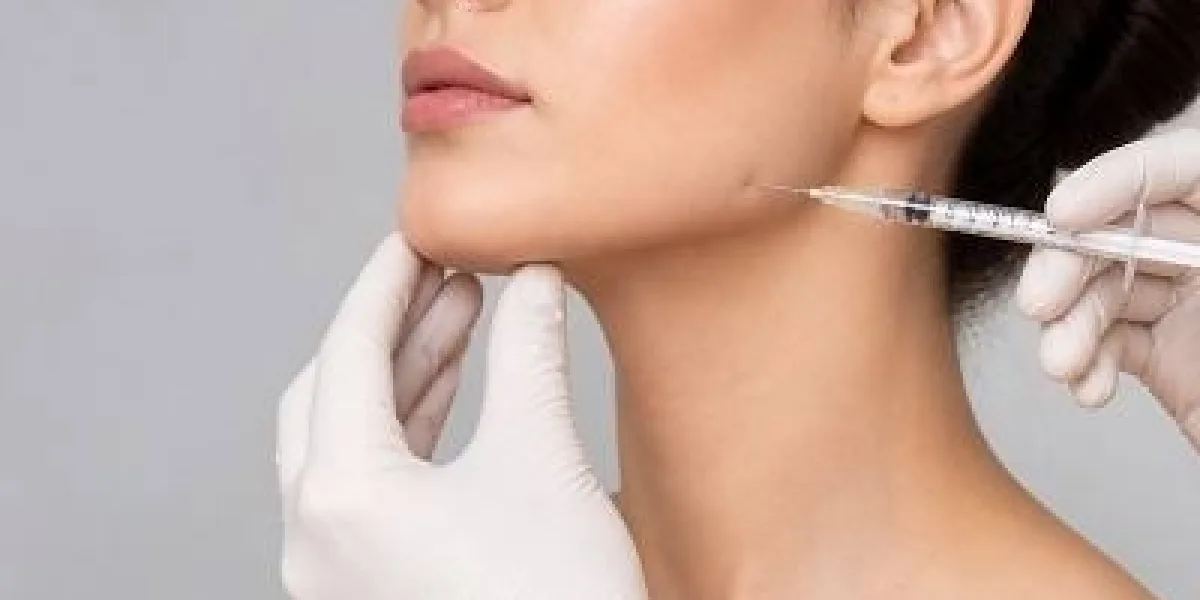
Excess fat around the upper arms can be frustrating for individuals who want a slimmer, more defined appearance. Even with regular exercise and a balanced diet, stubborn fat pockets may remain, particularly around the back and inner areas of the upper arms. These concerns can affect clothing choices and make some individuals feel less confident about their appearance. Fortunately, non-surgical cosmetic treatments offer options for addressing localised fat deposits without traditional surgery.
One increasingly popular option is Fat Melting Injections, a non-surgical cosmetic treatment designed to target specific areas of unwanted fat. These injections may help reduce small, localised fat pockets and improve the overall contour of treated areas. For individuals concerned about upper-arm fullness, they may provide an alternative to more invasive fat-reduction procedures. However, understanding how the treatment works, its suitability, potential results, and limitations is essential before considering it.
Can Fat Melting Injections Remove Arm Fat?
Yes, fat melting injections may help reduce certain types of localised fat around the upper arms. They are designed to target fat cells in a specific treatment area, allowing the body to gradually process and eliminate the affected cells. This can help create a slimmer appearance in areas where stubborn fat is difficult to reduce through lifestyle changes alone.
The treatment is generally intended for individuals who are relatively close to their ideal body weight but have small pockets of resistant fat. It is not designed as a weight-loss solution or a replacement for healthy eating and regular physical activity.
The suitability of fat-reduction injections for the arms depends on several factors, including the amount of fat present, skin elasticity, overall arm shape, and the specific injectable formulation being considered.
It is also important to understand that not every fat-melting product is approved or established for use on the upper arms. Some formulations are intended for specific anatomical areas only. A qualified medical professional should assess the treatment area and confirm whether the proposed product is appropriate.
How Do Fat Melting Injections Work on the Upper Arms?
Fat melting injections generally work by introducing a substance into targeted fatty tissue. Depending on the formulation, the active ingredient may disrupt fat-cell membranes, causing the affected cells to break down.
One commonly recognised fat-dissolving ingredient is deoxycholic acid. It is a naturally occurring substance involved in the body's processing of dietary fat. In injectable formulations, it can disrupt the membranes of fat cells in the treated area.
Following treatment, the body's natural inflammatory and clearance processes gradually remove the damaged fat-cell contents. This process takes time, which means results do not usually appear immediately.
The general treatment process involves several stages:
1. Assessment of the treatment area: The upper arms are examined to determine whether the fullness is caused by localised fat, loose skin, or another factor.
2. Preparation: The treatment area is cleaned and marked to identify the appropriate injection points.
3. Administration: Small amounts of the selected injectable product are introduced into the targeted fatty tissue using a suitable injection technique.
4. Natural fat clearance: The body gradually processes the affected fat cells over the following weeks.
5. Results assessment: The treated area is reviewed to determine whether additional sessions are appropriate.
The exact process depends on the product, treatment area, and individual requirements. Multiple sessions may be necessary, and results vary from person to person.
Benefits of Fat Melting Injections for Arm Fat Reduction
For suitable candidates, non-surgical fat-reduction treatments may offer several potential benefits. Their main appeal is the ability to address localised fat without requiring traditional surgical fat removal.
Some potential advantages include:
1. Non-surgical approach
Fat melting injections do not generally require surgical incisions or general anaesthesia. This may make them appealing to individuals who prefer a less invasive approach to body contouring.
2. Targeted fat reduction
The injections are administered to specific areas of fatty tissue. This allows treatment to focus on localised pockets rather than producing overall weight loss.
3. Gradual improvement
Fat reduction usually develops over time as the body processes the affected cells. This gradual change may create a more subtle appearance rather than an immediate and dramatic alteration.
4. Minimal interruption to daily activities
Many individuals can return to their normal routines relatively quickly, depending on the extent of treatment and the body's response. However, swelling, tenderness, bruising, and other temporary reactions may occur.
5. Potentially long-lasting results
When fat cells are successfully destroyed and removed, they do not regenerate. However, remaining fat cells can enlarge with weight gain, so maintaining a stable weight is important.
It should be remembered that these benefits depend on the treatment formulation and its suitability for the upper arms. Not all injectable fat-reduction products have the same evidence, safety profile, or regulatory approval.
Who Is an Ideal Candidate for Arm Fat Melting Injections?
Fat melting injections may be suitable for individuals who have small, stubborn fat deposits around the upper arms and want to improve their arm contours without undergoing surgery.
An appropriate candidate generally has the following characteristics:
-
Has localised fat deposits around the upper arms.
-
Maintains a relatively stable body weight.
-
Is close to their desired body weight.
-
Has reasonably good skin elasticity.
-
Understands that results develop gradually.
-
Has realistic expectations about the amount of fat reduction possible.
-
Does not have medical conditions or other factors that make the procedure unsuitable.
However, these injections may not be appropriate for everyone.
Individuals with significant loose or sagging skin may not achieve their desired results because fat reduction does not tighten excess skin. Similarly, people with substantial upper-arm fat may require a different body-contouring approach.
A professional assessment is particularly important because upper-arm fullness is not always caused by fat alone. Skin laxity, muscle structure, and natural body composition can also influence the appearance of the arms.
Pregnant or breastfeeding individuals and those with certain medical conditions should discuss their circumstances with a qualified healthcare professional before considering injectable treatments.
What Results Can Be Expected After Fat Melting Injections?
Results from fat melting injections are generally gradual rather than immediate. After treatment, the body needs time to process the affected fat cells, and temporary swelling can initially make the treated area appear fuller.
As the swelling settles and the natural clearance process progresses, changes in the arm's contour may become more noticeable.
Several factors influence the final outcome, including:
-
The amount of localised fat being treated.
-
The injectable formulation used.
-
The number of treatment sessions.
-
Individual metabolism and healing response.
-
Skin elasticity and overall tissue condition.
-
Lifestyle habits and weight stability.
Some individuals may notice improvements after a treatment session, while others may require multiple sessions to achieve their desired contour.
It is important to understand that fat melting injections are not intended to create a dramatic reduction in arm size. They are generally better suited to small, defined fat deposits.
The treatment also cannot guarantee perfectly sculpted arms or eliminate loose skin. Individuals with considerable skin laxity may need to explore other options.
Before proceeding, realistic expectations and an understanding of the likely benefits and limitations can help individuals make informed decisions.
Are Fat Melting Injections Safe for the Arms? Side Effects and Aftercare
Like other injectable cosmetic procedures, fat melting injections can cause temporary side effects. The most common reactions include swelling, redness, bruising, tenderness, and discomfort around the treated area.
These reactions are often part of the body's response to the injected substance and the subsequent fat-cell breakdown process.
However, more significant complications are possible, particularly when the wrong product is used or injections are administered incorrectly. These may include infection, skin injury, tissue damage, uneven contours, persistent lumps, and nerve injury.
The safety of treatment depends heavily on the injectable formulation, the treatment location, proper injection technique, and the professional's knowledge of the relevant anatomy.
Individuals should also follow appropriate aftercare instructions to support recovery.
General aftercare considerations may include:
-
Avoiding unnecessary pressure or massage unless specifically recommended.
-
Keeping the treatment area clean.
-
Avoiding strenuous upper-body exercise until advised that it is appropriate.
-
Following instructions regarding cold compresses or discomfort management.
-
Attending recommended follow-up appointments.
-
Contacting a healthcare professional if severe pain, spreading redness, fever, unusual skin changes, or worsening swelling develops.
A particularly important consideration is product approval. The evidence and regulatory authorisation for fat-dissolving injections vary by formulation and country. A product approved for treating one body area should not automatically be assumed safe or effective for the upper arms.
Therefore, a qualified medical professional should confirm that the product is suitable and authorised for the intended treatment area before proceeding.
Frequently Asked Questions About Fat Melting Injections for Arm Fat
1. Do fat melting injections really work on upper-arm fat?
Fat melting injections may help reduce small, localised fat deposits when an appropriate formulation is used in a suitable treatment area. However, their effectiveness for the upper arms depends on the product, individual anatomy, and treatment technique. Not every fat-dissolving injection is approved for arm treatment.
2. How many sessions are needed to reduce arm fat?
The number of sessions varies depending on the amount of fat, the injectable formulation, and the individual's response. Some people may require multiple treatments to achieve noticeable improvements. A professional assessment can help establish a suitable treatment plan.
3. How long does it take to see results from fat melting injections?
Results usually develop gradually over several weeks as the body processes the affected fat cells. Initial swelling may temporarily hide improvements, so the final outcome should be assessed after sufficient recovery time.
4. Can fat melting injections tighten loose skin on the arms?
No. Fat melting injections are designed to target fat cells rather than remove excess skin or significantly improve skin laxity. Individuals with loose or sagging upper-arm skin may need a different treatment approach to achieve their desired appearance.
5. Are fat melting injections painful?
Some discomfort can occur during and after the procedure. Individuals may experience a stinging sensation during injection, followed by tenderness, swelling, or bruising. The level of discomfort varies depending on the product, injection technique, and personal sensitivity.
6. Are the results of fat melting injections permanent?
Fat cells successfully destroyed by an appropriate fat-dissolving treatment do not grow back. However, the remaining fat cells can increase in size if an individual gains weight. Maintaining a stable weight and healthy lifestyle can help preserve the results.
Read More About Fat Melting Injections: https://www.msoms.net/read-blog/56768