
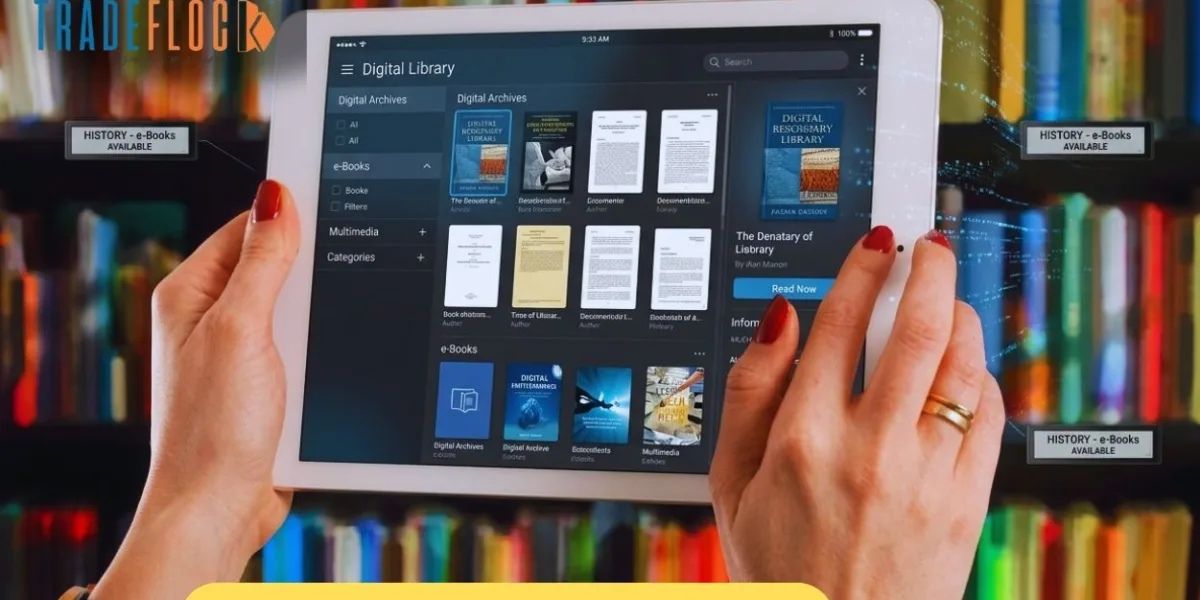
Access to knowledge has become easier with the growth of digital technology. People no longer need to visit a physical library every time they want to read a book, find research material or prepare for an examination. A digital library in india helps students, teachers, researchers and general readers discover useful information through internet-enabled devices.
These platforms bring books, academic papers, journals, lectures and other learning materials together in one place. They also help people in remote areas access educational resources that may not be available in nearby libraries. As digital education continues to expand, online libraries are becoming an important part of India's learning ecosystem.
What Is a Digital Library?
A digital library is an online collection of organised information and learning resources. Users can search, read, download or access available materials through a website or mobile application, depending on the platform's terms.
Unlike a traditional library, an online platform can make resources available beyond regular opening hours. A digital library in india may include school textbooks, competitive examination materials, research journals, historical documents, e-books, audiobooks and video lectures.
Some platforms provide free resources, while others require registration, institutional access or a subscription. Therefore, users should check the access conditions before downloading or using any material.
Popular Digital Library Platforms in India
Several government-supported initiatives and educational platforms help people access digital learning resources.
1. National Digital Library of India
The National Digital Library of India (NDLI) is a major initiative sponsored by the Ministry of Education and developed by IIT Kharagpur. It works as a single-window platform for discovering educational resources from different institutions and content providers.
Users can explore materials related to science, engineering, humanities, literature, medicine, law and other subjects. Resources are available in different formats, including books, articles, videos, lectures and research documents. The National Digital Library of India is useful for school students, college learners, researchers and lifelong learners.
2. DIKSHA
DIKSHA stands for Digital Infrastructure for Knowledge Sharing. It is a national platform for school education developed under NCERT and the Ministry of Education. Students and teachers can access curriculum-related learning materials, digital textbooks and other educational content.
The platform supports resources from NCERT, CBSE and various state education boards. It is particularly useful for learners who want study materials aligned with their school curriculum.
3. SWAYAM
SWAYAM is an online learning initiative that provides access to courses across different educational levels. Learners can explore subjects such as engineering, management, humanities and science. It offers an opportunity to study through structured online courses and improve academic or professional knowledge.
4. Rashtriya e-Pustakalaya
Rashtriya e-Pustakalaya is a digital reading initiative designed especially for children and young readers. It offers books across different age groups and genres, including fiction, non-fiction, comics and picture books. Its digital formats make reading more accessible through supported devices.
Benefits of Digital Libraries
The growing use of a digital library in india offers several advantages to readers and educational institutions.
1. Easy Access to Learning Materials
Users can search for relevant books and documents without travelling to a physical library. This is especially helpful for people living far from educational institutions.
2. Flexible Learning
Digital resources can often be accessed at different times of the day. Students can revise lessons, explore new subjects and study at their own pace.
3. Cost-Effective Education
Many government-supported platforms provide free educational resources. This can reduce the expense of purchasing multiple books and reference materials.
4. Support for Research
Researchers can discover academic publications, articles and other reference materials through online collections. A digital library in india can help simplify the process of finding information for assignments, projects and research work.
5. Wider Language and Subject Coverage
Digital platforms can bring together resources from different subjects and languages. This helps readers explore material beyond the limited collection of a local library.
Challenges of Digital Libraries
Despite their advantages, digital libraries also face certain challenges. Reliable internet connectivity and access to suitable devices remain difficult for some communities. Digital literacy is another concern, as new users may need guidance to search for and evaluate online information.
Copyright restrictions can also limit the availability of certain books and publications. In addition, platforms need regular updates, secure systems and well-organised search features to provide a better experience.
Expanding digital infrastructure, offering regional-language content and improving awareness can help more people benefit from these services.
How to Choose the Right Digital Library
Before using an online library, consider your learning requirements. School students may prefer platforms that provide curriculum-based resources, while university students and researchers may need academic papers and specialised publications.
Check whether the platform offers reliable content, convenient search options, mobile compatibility and clear access policies. The National Digital Library of India is a useful starting point for discovering resources across multiple subjects. Users can also explore DIKSHA, SWAYAM and Rashtriya e-Pustakalaya according to their needs.
Conclusion
Digital platforms are changing how people discover, read and use educational information. A digital library in india can connect learners with books, research materials and online courses without the limitations of location or traditional library timings.
Initiatives such as the National Digital Library of India, DIKSHA, SWAYAM and Rashtriya e-Pustakalaya are helping expand access to learning resources. With better connectivity, digital awareness and wider collections, online libraries can continue supporting education and reading habits across the country.


