
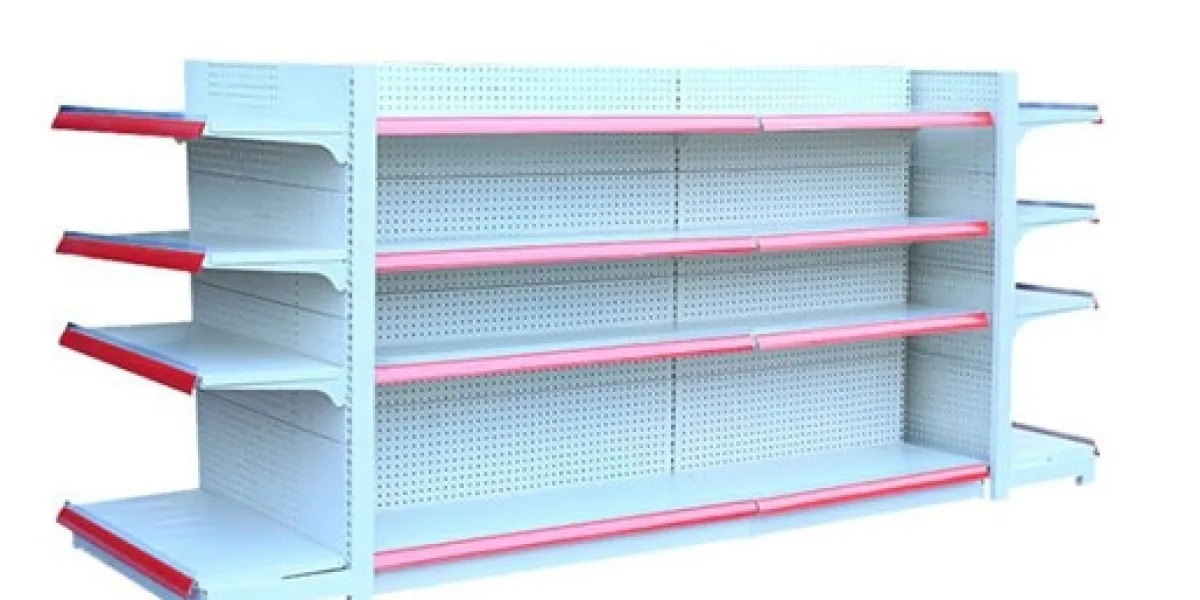
Creating an attractive and organised retail environment is essential for attracting customers and encouraging purchases. The way products are presented can influence shopping decisions, improve customer experience, and help businesses make better use of available space. Whether you operate a supermarket, clothing boutique, convenience store, electronics shop, or specialty retail outlet, selecting suitable display fixtures is an important part of store planning.
A well-designed display rack does more than hold merchandise. It helps showcase products, maintain store organisation, and make shopping more convenient. However, with so many designs, materials, and configurations available, choosing the right option can be challenging. Understanding your retail requirements can help you invest in fixtures that offer long-term value and functionality.
This guide explains the important factors to consider when choosing the best display rack for your retail store.
1. Understand Your Product Display Requirements
Before purchasing any retail fixture, identify the types of products you want to display. Different merchandise requires different shelving designs, dimensions, and weight capacities.
For example, supermarkets may need sturdy shelving for groceries and household products, while clothing stores often benefit from racks designed for hanging garments. Electronics retailers may prefer specialised fixtures that allow customers to view products clearly.
Consider the following requirements:
-
Product dimensions and weight
-
Number of items you need to display
-
Accessibility for customers
-
Storage and replenishment requirements
-
Product visibility and presentation
Understanding these factors will help you narrow down suitable options.
2. Consider the Available Store Space
Store layout plays an important role in selecting appropriate display fixtures. A rack that looks attractive but occupies too much space can make your retail environment uncomfortable.
Start by measuring your available floor area, wall space, and ceiling height. Consider how customers move between aisles and ensure that fixtures do not obstruct walkways or emergency exits.
For smaller retail stores, wall-mounted shelving and vertical display solutions can help maximise available space. Larger supermarkets may benefit from freestanding shelving systems that create organised product sections.
The goal is to balance display capacity with comfortable customer movement.
3. Choose the Right Display Rack Material
Material selection affects durability, appearance, maintenance, and overall performance. Retailers should choose materials based on their products, store environment, and budget.
Here are some common options:
Metal Display Racks
Metal racks are popular because of their strength and durability. They are suitable for supermarkets, hardware stores, warehouses, and retail outlets displaying heavier merchandise.
Wooden Display Racks
Wooden fixtures provide a warm and premium appearance. They are commonly used in clothing boutiques, gift shops, cosmetic stores, and specialty retail environments.
Acrylic Display Racks
Acrylic fixtures offer a clean and modern appearance. Their transparent construction makes them useful for displaying cosmetics, jewellery, accessories, and smaller products.
Wire Display Racks
Wire racks are lightweight and practical. Their open construction allows good visibility and airflow, making them suitable for convenience stores and general retail environments.
4. Evaluate Weight Capacity and Durability
One of the most important considerations is the rack's weight-bearing capacity. Every fixture should safely support the products placed on it.
Before purchasing, check the manufacturer's stated load capacity, including whether the rating applies per shelf or to the entire structure. Also consider the construction quality, stability, joints, and finish.
For businesses displaying heavy products, reinforced metal shelving may be a suitable option. Lightweight fixtures are generally more appropriate for smaller merchandise.
Choosing durable materials can reduce maintenance requirements and help avoid frequent replacements.
5. Select a Design That Matches Your Store Interior
Your retail fixtures should complement the overall appearance of your business. Consistent colours, finishes, and designs can create a professional shopping environment.
For example, minimalist metal shelving may work well in modern convenience stores, while wooden fixtures can complement premium boutiques. Transparent acrylic displays can also help create an uncluttered appearance in cosmetics and jewellery shops.
Consider how the fixture will look alongside your lighting, flooring, wall colours, and other interior elements.
6. Look for Adjustable and Flexible Features
Retail inventory changes regularly. Seasonal merchandise, new product launches, and promotional campaigns may require different display arrangements.
Adjustable shelves and modular fixtures offer greater flexibility because retailers can modify their configurations as requirements change.
Look for features such as:
-
Adjustable shelf heights
-
Removable dividers
-
Interchangeable display components
-
Modular shelving sections
-
Mobile designs with lockable wheels
Flexible fixtures can help businesses adapt their layouts without replacing their entire display system.
7. Compare Prices and Overall Value
Budget is another important factor when selecting retail fixtures. However, purchasing the cheapest option is not always the most cost-effective decision.
Low-quality materials may require frequent repairs or replacement, increasing long-term expenses. Instead, compare different suppliers based on construction quality, durability, design, warranty, and available customisation options.
Consider your immediate requirements alongside future business growth. Investing in reliable fixtures can provide better long-term value.
8. Prioritise Customer Accessibility and Product Visibility
A good retail display should make products easy to see, reach, and understand. Customers should be able to browse merchandise without struggling to access items.
Place frequently purchased products at convenient heights and avoid arranging merchandise so closely that individual items become difficult to identify.
You can also use clear product labels, price tags, and promotional signage to improve the shopping experience.
Effective product placement encourages customers to explore merchandise and can create additional sales opportunities.
Common Mistakes to Avoid When Choosing Retail Display Racks
Even well-established retailers can make mistakes when purchasing display fixtures. Avoiding these common issues can help you make a better investment.
-
Ignoring measurements: Always measure your retail space before ordering fixtures.
-
Overlooking weight limits: Choose racks that safely support the intended merchandise.
-
Focusing only on appearance: Attractive designs should also provide practical functionality.
-
Neglecting customer movement: Maintain sufficient space for comfortable shopping.
-
Ignoring future requirements: Consider whether the fixtures can accommodate changing inventory.
-
Choosing unsuitable materials: Match the material to the product type and retail environment.
Careful planning can prevent unnecessary expenses and improve the overall effectiveness of your store layout.
Conclusion
Choosing the best display rack for your retail store requires more than comparing prices and designs. You need to consider product requirements, available space, material quality, weight capacity, flexibility, and customer accessibility.
By evaluating these factors, retailers can select fixtures that improve product presentation, support efficient store organisation, and create a more enjoyable shopping experience. Whether you need metal shelving for a supermarket or elegant wooden displays for a boutique, the right choice can make a meaningful difference to your retail operations.


