
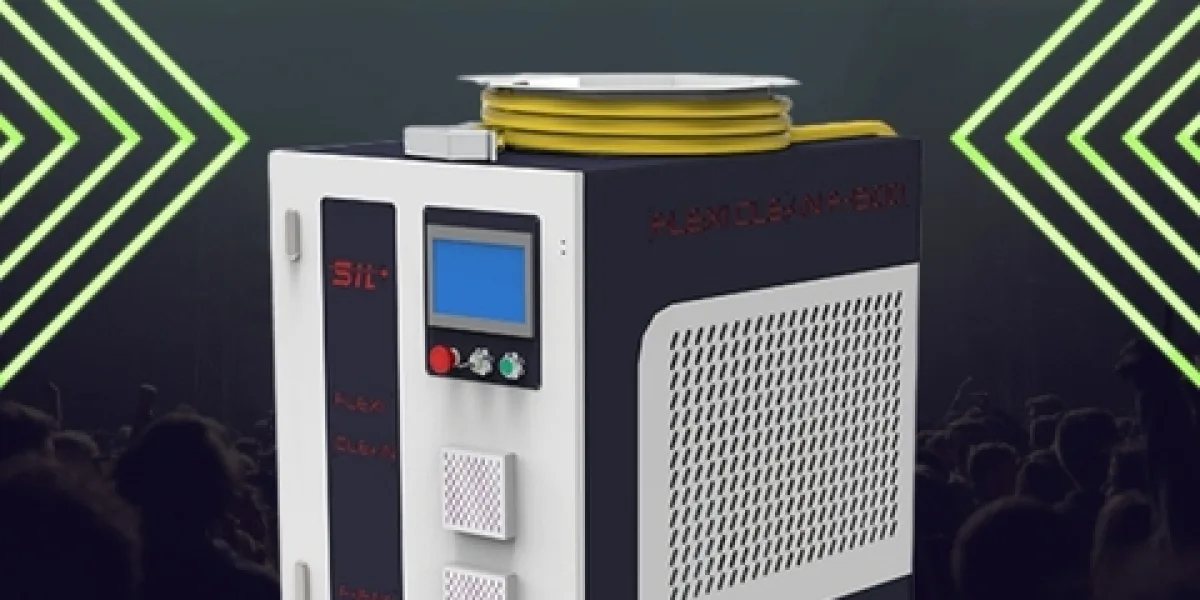
Industrial cleaning plays an important role in maintaining product quality and preparing metal surfaces for further processing. Traditional cleaning methods often involve chemicals, abrasive materials, or manual labor. With advancements in laser technology, manufacturers now have access to more precise and controlled cleaning solutions. A fiber laser cleaning machine is becoming an increasingly popular choice for removing rust, paint, oil, oxidation, and other unwanted materials from different surfaces.
Understanding Fiber Laser Cleaning Technology
Laser cleaning uses concentrated laser energy to remove contaminants from a material's surface. The laser beam interacts with unwanted layers, helping separate them from the base material without relying on chemical cleaning agents or abrasive blasting materials.
Fiber laser technology generates a highly focused beam that can be directed toward specific areas. Operators can adjust cleaning parameters according to the material, contamination level, and required surface condition. This makes the process suitable for various industrial applications.
How Does the Cleaning Process Work?
The cleaning process begins by directing the laser beam toward the contaminated surface. When the laser energy reaches rust, paint, grease, or other unwanted substances, it creates a controlled interaction that removes the contaminant layer.
The cleaning results depend on several factors, including laser power, scanning speed, frequency, focal distance, and material composition. Proper parameter selection is essential to achieve consistent results while protecting the underlying material.
Operators should always follow equipment instructions and use appropriate laser safety equipment during operation.
Applications Across Different Industries
Laser cleaning technology is used in many manufacturing and maintenance environments. Metal fabrication companies use it to prepare surfaces before welding, coating, or painting. Automotive manufacturers apply laser cleaning during component maintenance and production processes.
Other common applications include:
-
Rust Removal: Cleaning rust from steel components, metal sheets, and industrial equipment.
-
Paint Removal: Removing selected paint layers from metal surfaces.
-
Weld Preparation: Preparing metal joints before welding operations.
-
Mold Cleaning: Removing production residues from industrial molds.
-
Oil and Grease Removal: Cleaning contaminated metal components.
-
Oxide Removal: Removing unwanted oxidation layers from metal surfaces.
These applications demonstrate how laser technology can support different stages of industrial production.
Choosing the Right Equipment for Your Business
Selecting suitable laser cleaning equipment requires understanding your production requirements. Before purchasing, consider the materials you regularly process, the type of contamination you need to remove, and the size of the working area.
Laser power is another important consideration. Different cleaning tasks may require different power levels and operating parameters. Businesses should also evaluate the equipment's cooling system, control interface, laser source, scanning head, and technical support.
For companies handling multiple cleaning applications, selecting equipment with adjustable operating settings can help accommodate different production requirements.
Maintenance and Operating Considerations
Regular maintenance helps maintain consistent machine performance. Operators should inspect optical components, clean the laser head according to manufacturer instructions, and check cables and cooling systems.
The working environment should also remain clean and properly ventilated. Appropriate extraction equipment is important because laser cleaning can generate fumes and airborne particles depending on the material being processed.
Training is equally important. Operators should understand laser safety procedures, equipment controls, and suitable cleaning parameters before starting production work.
Final Thoughts
Laser technology continues to influence modern industrial surface treatment by introducing controlled and precise cleaning processes. A fiber laser cleaning machine can be an effective solution for manufacturers dealing with rust, paint, grease, oxidation, and other surface contaminants.
Understanding the cleaning requirements, selecting appropriate equipment, and following proper operating procedures can help businesses integrate this technology into their production processes. As industrial manufacturing continues to develop, laser cleaning is expected to remain an important option for metal treatment and equipment maintenance.


