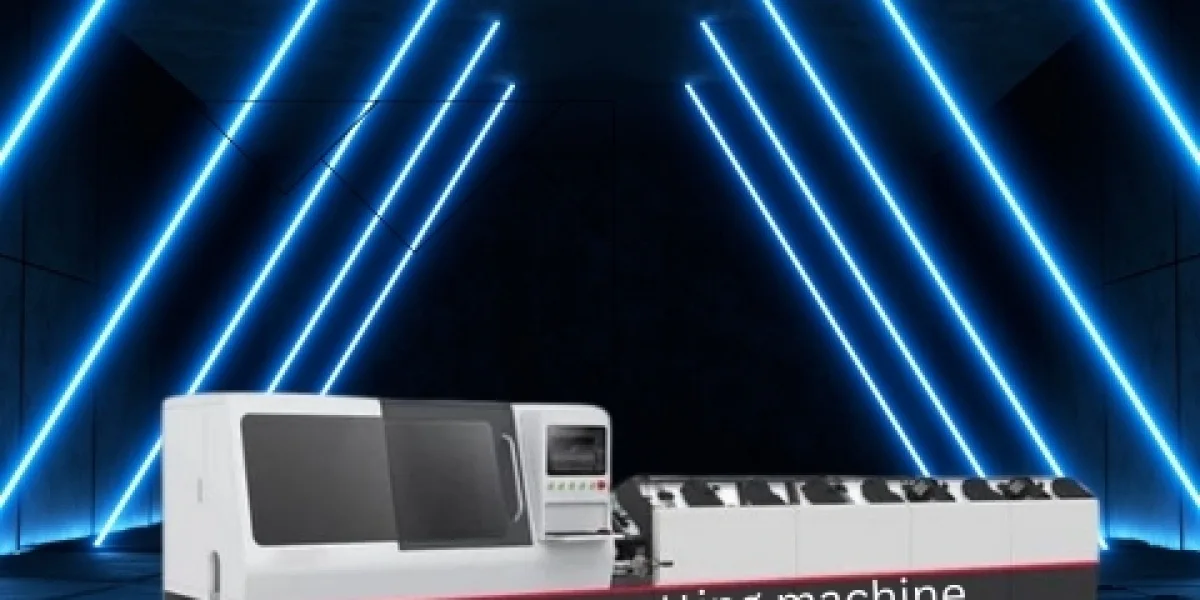
Metal fabrication continues to evolve as manufacturers look for more precise, efficient, and consistent ways to process tubular materials. From furniture frames and automotive components to industrial structures, cutting metal tubes accurately is an essential part of many production processes. A tube laser cutting machine offers a modern approach to shaping metal tubes, profiles, and pipes according to specific design requirements.
Understanding Tube Laser Cutting Technology
Tube laser cutting technology uses a focused laser beam to cut metal tubes and profiles into customized shapes and lengths. The process is controlled through computerized systems that follow programmed cutting paths. Manufacturers can use this technology to create holes, slots, angles, patterns, and complex outlines without relying on traditional mechanical cutting methods.
Different materials, including stainless steel, carbon steel, aluminum, and other metals, can be processed depending on the machine's configuration and laser power. This flexibility makes laser cutting suitable for a wide range of fabrication applications.
How the Cutting Process Works
The cutting process generally begins with a CAD design that contains the required dimensions and cutting patterns. The design is converted into a machine-readable program, allowing the equipment to follow precise instructions throughout production.
The tube is positioned and supported by the machine's feeding and clamping systems. A laser beam then moves along the programmed cutting path, removing material through controlled thermal energy. Depending on the equipment and material, assist gases may be used to support cutting and remove molten material from the cutting area.
Modern systems can process different tube shapes, such as round, square, rectangular, and selected customized profiles, according to their specifications.
Applications Across Different Industries
Tube laser cutting is widely used in industries that require accurately processed metal components. Furniture manufacturers use cut tubes to produce chair frames, tables, shelves, and other structures. Automotive manufacturers rely on precision-cut metal components for various structural and assembly applications.
In construction and architectural fabrication, tubular materials are used for railings, frames, support structures, and decorative installations. Agricultural equipment manufacturers and machinery producers also use laser-cut tubes for customized parts and production assemblies.
The technology helps businesses manage detailed cutting requirements while supporting repeatable production processes.
Choosing the Right Equipment for Production
Selecting the right machine requires evaluating the types of materials, tube dimensions, thicknesses, and production volumes involved. Manufacturers should also consider loading systems, software compatibility, machine configuration, maintenance requirements, and available technical support.
A suitable tube laser cutting machine should match the production workflow and the specific fabrication requirements of the business. Understanding these factors before purchasing can help manufacturers plan their operations more effectively and make informed equipment decisions.
Software and Production Planning
Software plays an important role in modern tube laser cutting. CAD and CAM solutions help operators prepare designs, optimize cutting paths, and organize production jobs. Nesting software can arrange multiple parts within available material to help reduce unnecessary waste.
Proper programming, operator training, and regular machine maintenance are equally important for maintaining cutting accuracy and stable production performance.
Final Thoughts
Tube laser cutting technology has become an important part of modern metalworking because it supports the production of detailed tubular components for various industries. From customized furniture designs to industrial structures, this cutting method provides manufacturers with a practical way to handle complex fabrication requirements. By understanding machine specifications, material requirements, software, and production needs, businesses can select equipment that supports their long-term manufacturing goals.