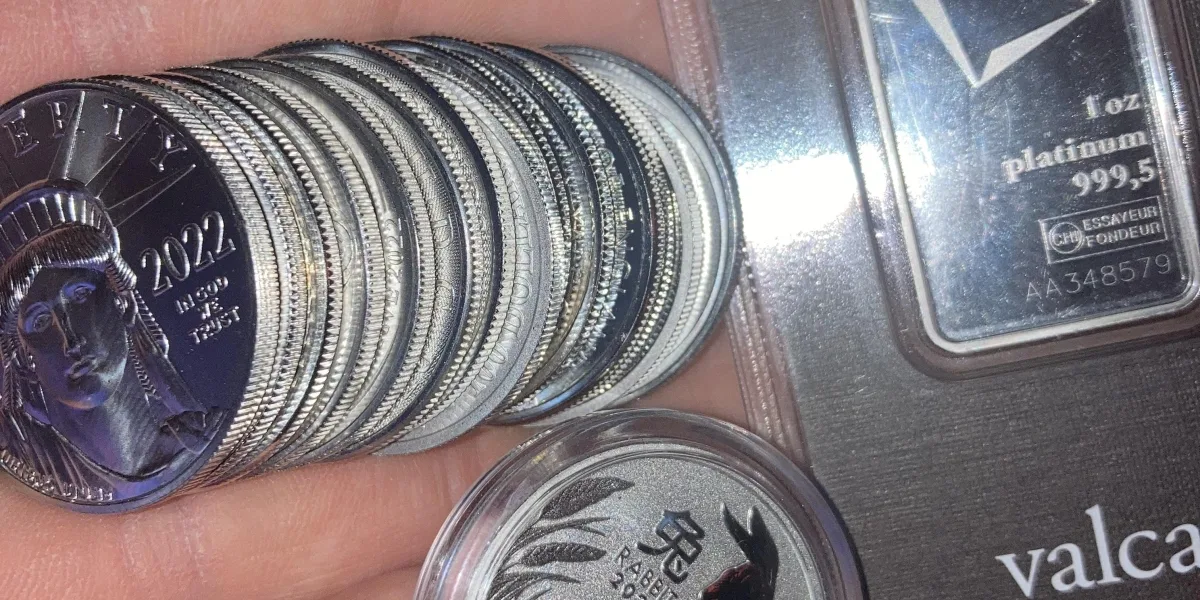
Buying platinum bullion can be an exciting experience, especially if you are interested in precious metals or want to add platinum to your collection. However, one thing that often confuses new buyers is understanding bullion weight. Platinum products come in different sizes, weights, and measurement units, making it important to know exactly what you are purchasing. Whether you are buying platinum bars, coins, or other bullion products, understanding weight can help you make more confident decisions.
The good news is that platinum bullion weight is not difficult to understand once you become familiar with a few basic concepts. By learning how weights are measured, reading product descriptions carefully, and comparing products correctly, you can avoid common misunderstandings and choose platinum bullion that suits your needs.
Understanding How Platinum Bullion Weight Is Measured
Platinum bullion is commonly measured using troy ounces, grams, and sometimes kilograms. These measurements are used to describe how much precious metal a product contains.
A troy ounce is different from the regular ounce used for everyday items. One troy ounce equals approximately 31.1035 grams, while a standard avoirdupois ounce equals approximately 28.35 grams. This difference is important because precious metals are generally priced using troy ounces.
For example, if you see a platinum bullion bar advertised as one ounce, it usually means one troy ounce rather than a regular ounce. Understanding this distinction can prevent confusion when comparing bullion prices or calculating the amount of platinum you are purchasing.
If you are unfamiliar with these measurements, take a moment to review the weight listed on a product and determine which unit is being used. This simple habit can help you avoid misunderstandings before making a purchase.
Learn the Difference Between Troy Ounces and Regular Ounces
One of the most common mistakes beginners make is assuming that all ounces are the same. In everyday shopping, people usually encounter regular ounces when measuring food, household products, or other goods. Precious metals, however, use the troy ounce system.
A troy ounce contains slightly more weight than a regular ounce. Although the difference may seem small, it matters when dealing with valuable metals such as platinum, gold, and silver.
Imagine comparing two products that both display the word “ounce.” If one uses a regular ounce and the other uses a troy ounce, their weights are not identical. This could lead to incorrect comparisons if you do not understand the measurement system.
Whenever you shop for platinum bullion, check whether the listed weight is expressed in troy ounces. Reputable product descriptions generally make this information clear, helping buyers understand the actual amount of metal they are purchasing.
Familiarize Yourself With Common Platinum Bullion Sizes
Platinum bullion in Franklin, TN is available in several different sizes. Buyers may encounter small fractional products, one-ounce bars and coins, larger bars, and products measured in grams.
Common platinum bullion weights include:
-
1 gram
-
5 grams
-
10 grams
-
20 grams
-
1 troy ounce
-
2 troy ounces
-
5 troy ounces
-
10 troy ounces
-
100 grams
Not every manufacturer produces every size, but these examples demonstrate the variety available in the bullion market.
Smaller products may appeal to buyers who prefer flexibility or want to make a smaller purchase. Larger products may be suitable for buyers interested in acquiring more platinum in a single transaction.
Before choosing a product, consider your budget, purchasing goals, and the amount of platinum you want to own. Comparing several available weights can help you identify the option that best fits your preferences.
Pay Attention to the Difference Between Gross Weight and Platinum Content
Another source of confusion is the difference between the total weight of a product and the amount of pure platinum it contains.
Some bullion products may contain additional metals depending on their composition, while others are made from very high-purity platinum. The product's total weight and its actual platinum content are not always the same thing.
For example, a bullion product weighing 10 grams with a purity of 99.95% contains approximately 9.995 grams of platinum. The remaining fraction consists of other materials.
Most investment-grade platinum bullion is produced with high purity, commonly marked as .9995 or 99.95% pure. However, it is still important to read the product specifications instead of assuming that every platinum item has identical purity.
Look for details such as:
-
Total product weight
-
Platinum purity or fineness
-
Actual platinum content
-
Manufacturer or mint information
-
Product identification and certification details, when applicable
Understanding these details allows you to distinguish between the physical weight of a product and the quantity of pure platinum it represents.
Always Read Product Descriptions Carefully
Product descriptions are one of the easiest ways to avoid confusion about platinum bullion weight. When shopping online or visiting a bullion dealer, do not rely solely on the product title or photograph.
A product image may show a large bar, but the actual item could be much smaller than you expect. Similarly, a product title may emphasize its design or manufacturer without clearly displaying the weight in the most noticeable place.
Take time to review the complete product description. Confirm the weight, purity, dimensions, and other specifications before making a purchase.
If something is unclear, ask the seller for clarification. A reliable bullion dealer should be willing to explain the product's specifications and answer questions about its weight.
This is especially helpful when comparing unfamiliar products or purchasing platinum bullion for the first time.
Understand How Different Weight Units Convert
Knowing how to convert between grams and troy ounces can make comparing platinum bullion products much easier.
Here are a few useful conversions to remember:
|
Weight |
Approximate equivalent |
|---|---|
|
1 gram |
0.03215 troy ounces |
|
5 grams |
0.16075 troy ounces |
|
10 grams |
0.32151 troy ounces |
|
20 grams |
0.64301 troy ounces |
|
1 troy ounce |
31.1035 grams |
|
5 troy ounces |
155.5175 grams |
|
10 troy ounces |
311.035 grams |
These conversions can help you compare products listed in different units.
For instance, if one platinum bar is listed as 10 grams and another is listed as one troy ounce, converting both to the same measurement makes it easier to understand the difference in their metal content.
You do not need to memorize every conversion. Keeping a simple conversion chart nearby or using a calculator can make the process quick and straightforward.
Compare Products Using the Same Measurement
When comparing platinum bullion prices, make sure you are comparing products with similar weights and purities.
A 5-gram platinum bar should not be compared directly with a one-ounce platinum bar based only on their total prices. The larger product naturally contains more metal, so its price will generally be higher.
Instead, compare the price per gram or price per troy ounce. This provides a clearer picture of how much you are paying for a particular quantity of platinum.
You should also remember that bullion prices can include premiums above the spot price of platinum. These premiums may vary depending on product size, manufacturing costs, brand, availability, and market demand.
Smaller bullion products sometimes carry higher premiums relative to their metal value. Understanding both weight and pricing can help you make more meaningful comparisons.
Do Not Confuse Product Dimensions With Weight
The physical dimensions of platinum bullion can also create misunderstandings. A bar that looks larger may not necessarily contain more platinum than another product.
Different manufacturers use different designs, shapes, thicknesses, and dimensions. Some bars may be wider but thinner, while others may be compact and thick.
Likewise, coins may have different diameters and thicknesses depending on their denomination and mint specifications.
Physical appearance alone is not a reliable way to determine the weight of a platinum bullion product. Always use the stated weight and specifications rather than estimating based on size.
This is particularly important when buying bullion online, where photographs may not accurately represent the product's actual dimensions.
Check Packaging and Product Information
Packaging can sometimes make platinum bullion appear heavier or larger than the actual metal product. Some bullion bars are sold in protective packaging, assay cards, or presentation cases. These materials may add to the overall package weight.
When reviewing a product, make sure the listed weight refers to the platinum itself rather than the combined weight of the bullion and its packaging.
Packaging may also provide useful information about the product, including its weight, purity, manufacturer, and serial number. If the product includes an assay certificate, review the details to ensure they correspond with the bullion being offered.
Keep original packaging and documentation in good condition when possible, especially if you want to maintain the product's presentation and documentation for future resale.
Ask Questions Before Making a Purchase
If you are unsure about platinum bullion weight, asking questions is always a good idea. You do not need to be an experienced precious metals buyer to understand what you are purchasing.
A knowledgeable dealer can help explain the difference between grams and troy ounces, clarify platinum purity, and identify the actual metal content of different products.
You can ask simple questions such as:
-
Is this product measured in grams or troy ounces?
-
How much pure platinum does it contain?
-
Is the listed weight the metal weight or the total packaged weight?
-
How does this product compare with another bullion size?
-
What premium is included in the price?
Getting clear answers can help you avoid unnecessary confusion and make your buying experience more comfortable.
Keep a Record of Your Platinum Bullion Purchases
Maintaining accurate records is another useful way to avoid confusion, particularly if you purchase platinum bullion more than once.
Keep receipts, invoices, product descriptions, certificates, and any other relevant documentation. You can also create a simple personal record showing the product name, weight, purity, purchase date, and purchase price.
For example, if you purchase three different platinum bars over time, recording their individual weights can help you calculate your total platinum holdings accurately.
Organized records can also make it easier to review your collection, compare future purchases, and provide accurate information when discussing your bullion with a dealer.
A small amount of organization today can save you time and confusion later.
Make Platinum Bullion Buying Easier With The Gold Rush Store
Understanding platinum bullion weight is an important part of making informed purchasing decisions. By learning the difference between troy ounces and regular ounces, checking purity, comparing products using consistent measurements, and carefully reviewing product descriptions, you can approach platinum bullion purchases with greater confidence.
If you want help understanding different platinum bullion products, The Gold Rush Store offers a Platinum Bullion service to help customers explore precious metals and understand their available options. Whether you are comparing bullion weights, learning about platinum products, or looking for guidance before making a purchase, working with a knowledgeable precious metals dealer can make the process easier.
The Gold Rush Store can help you better understand platinum bullion products, their specifications, and the factors to consider when choosing between different sizes and options.
Final Thoughts
Platinum bullion weight may seem confusing at first, but it becomes much easier once you understand the basic measurements and product specifications. Always check whether the weight is listed in grams or troy ounces, confirm the purity, and compare products using the same unit.
Avoid relying on product photographs, ask questions whenever something is unclear, and keep records of your purchases. These simple steps can help you avoid common mistakes and make more confident decisions when buying platinum bullion.
With the right information and support from a trusted precious metals dealer, understanding platinum bullion weight can become a straightforward part of your buying experience.